
Zwerfafval een schaduw van consumptie
Mercedes Van den Eynde
Antwerpen
About
Mercedes Van den Eynde (1993, Deurne) is a pre-master's student with a background as a brand & packaging designer, exploring diverse traditional techniques. These enable the artist to examine, visualize and question societal structures. Her symbolic works encourage people toward introspection.
Project
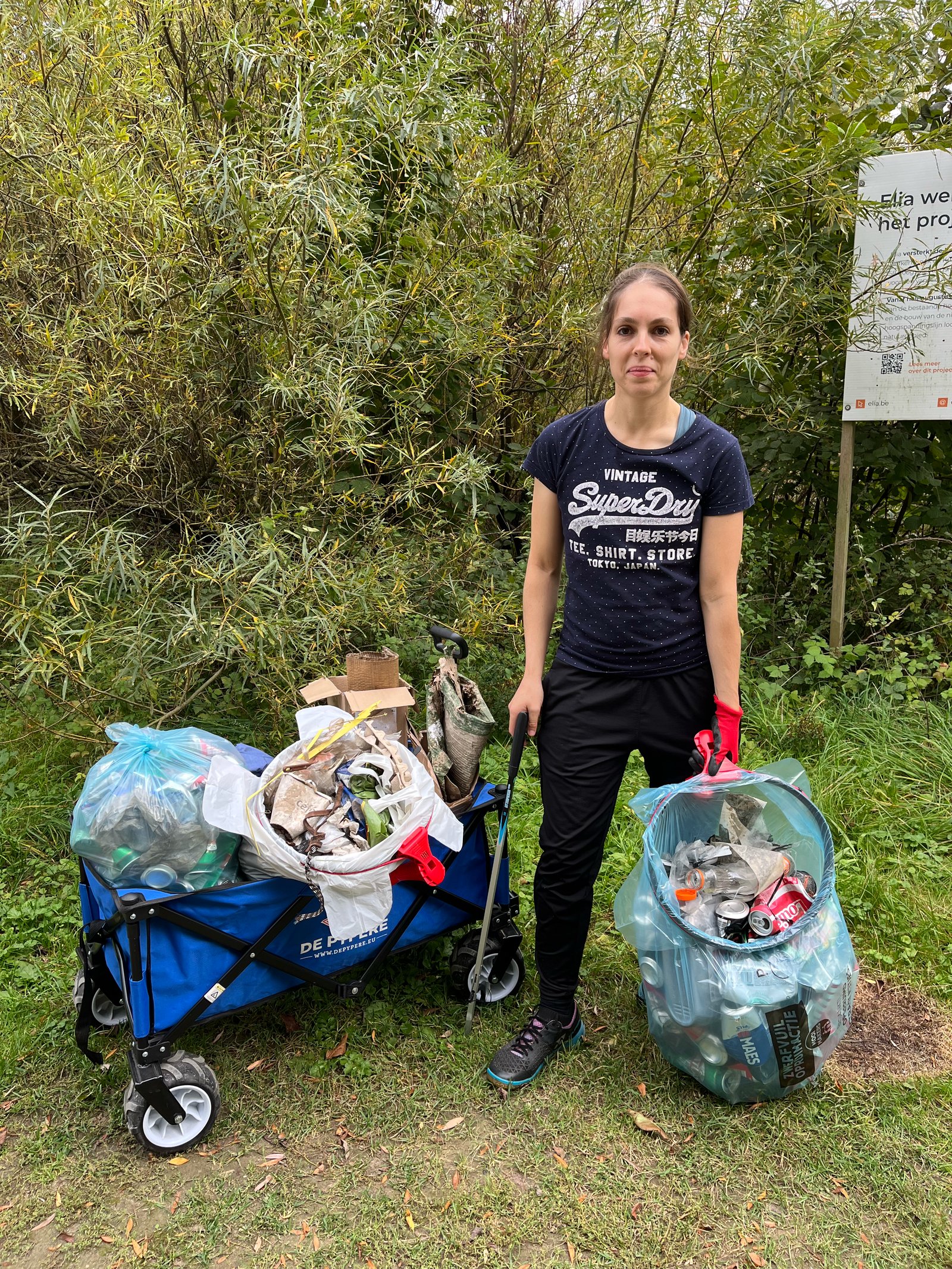
My premaster project brings together a visual investigation into the waste problem in terms of mass consumption. As a packaging designer, you indirectly contribute to the origin of this problem. From this awareness, I felt a moral obligation to engage as a litter cleanup volunteer. These experiences offer a unique perspective on the subject.
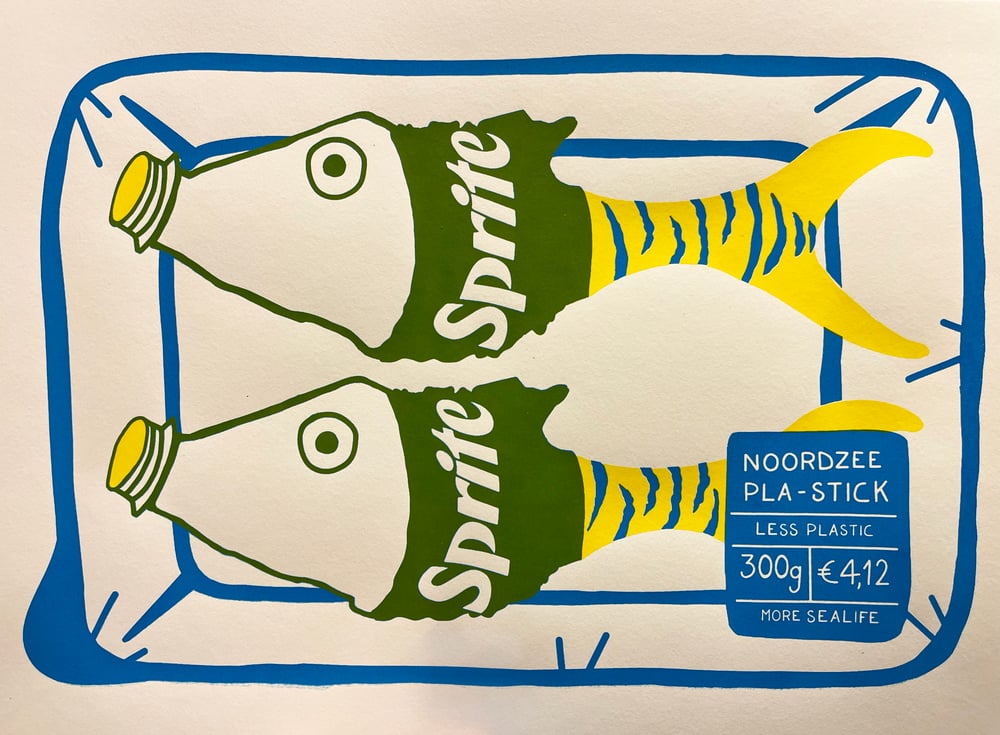
I explored the issue through various techniques such as printing, screen printing, photography, infographics, illustration, and 3D installations. The result consists of a photo publication complemented by sculptures. Each work visualizes different invisible fields of tension.
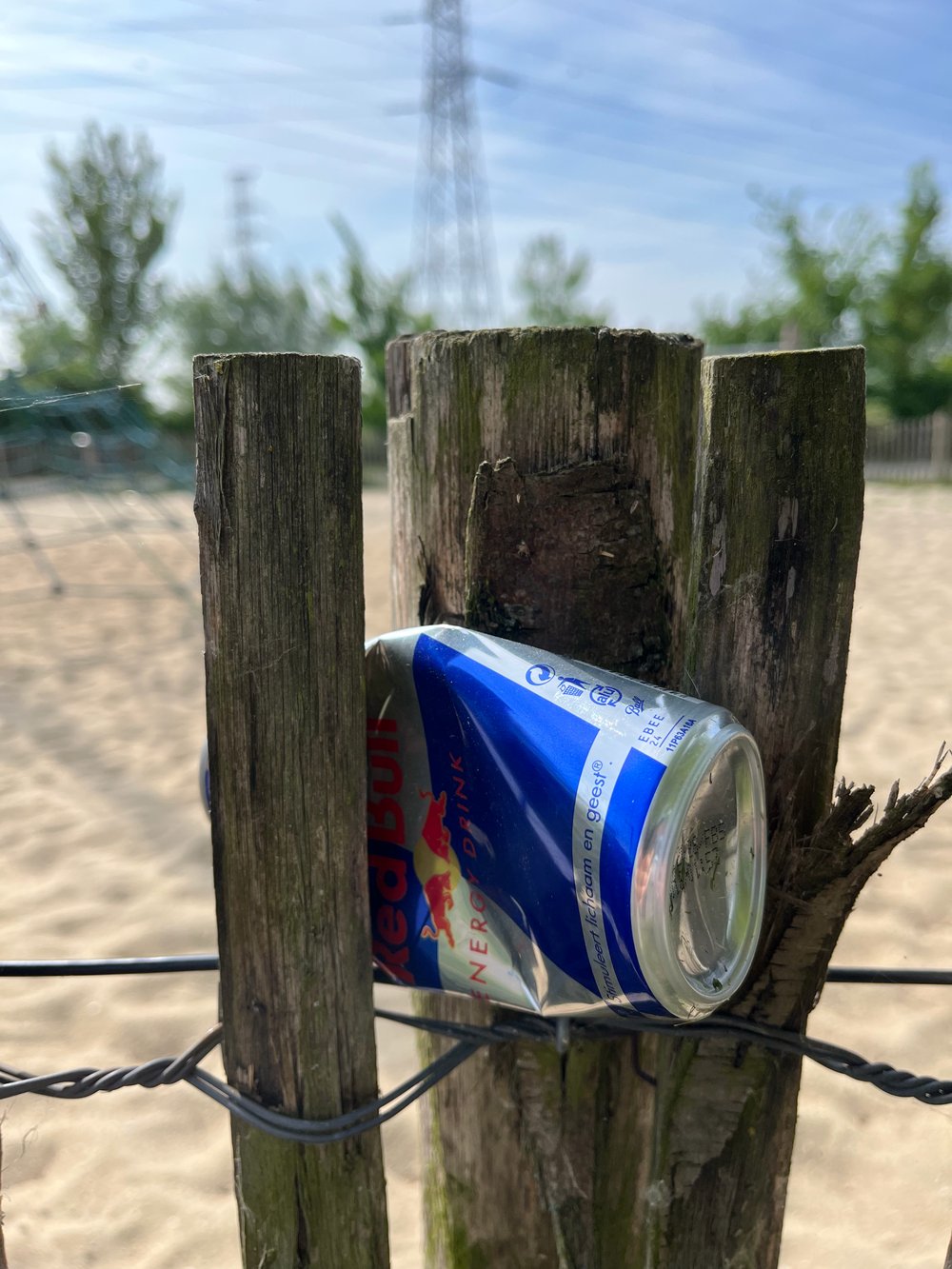
The photo publication sharply focuses individual attention on a single object. Alienation redefines the relationship between consumer and object, causing us to lose touch with reality. This isolation simultaneously symbolizes our fragmented and superficial society. The 440 images concretize the scale of the problem while revealing the many faces of consumption.
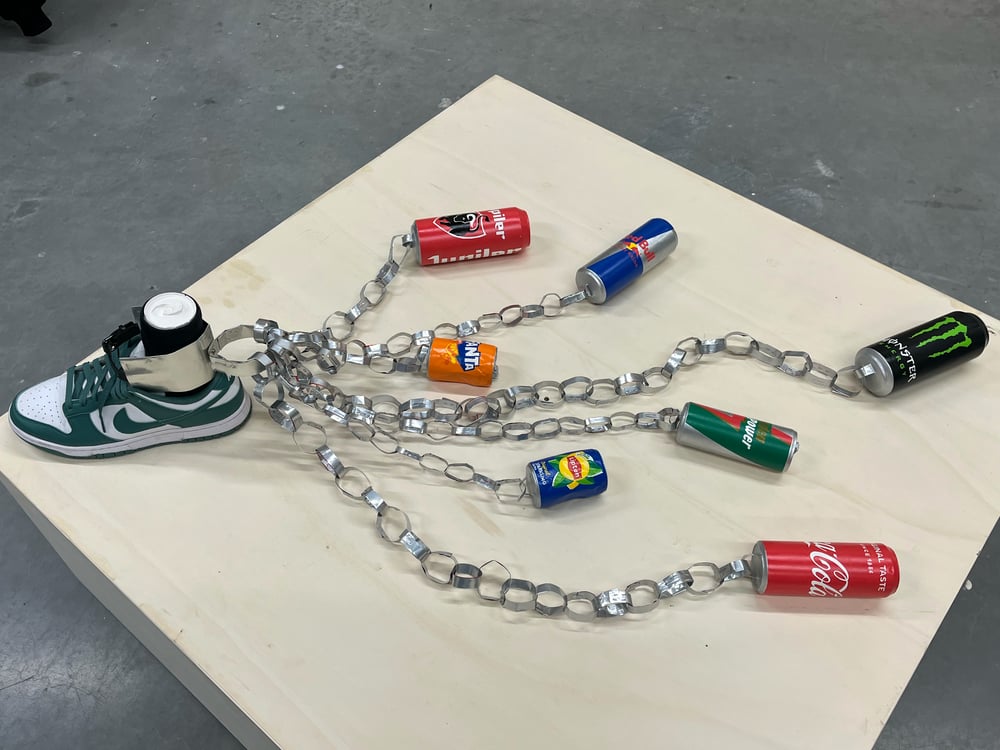
The work "Trapped" visualizes our dependency on consumption patterns. The installation achieves alienation by removing everyday objects from their commercial context, allowing them to write a new narrative. At first glance, the cans seem like lifelike reproductions. But those who look closer notice that this reality begins to tilt. Objects, rich in meaning and enchanting details, use their attractiveness to lure and trap us, both literally and figuratively. The gravity of the problem is expressed in the weight of the plaster cans.
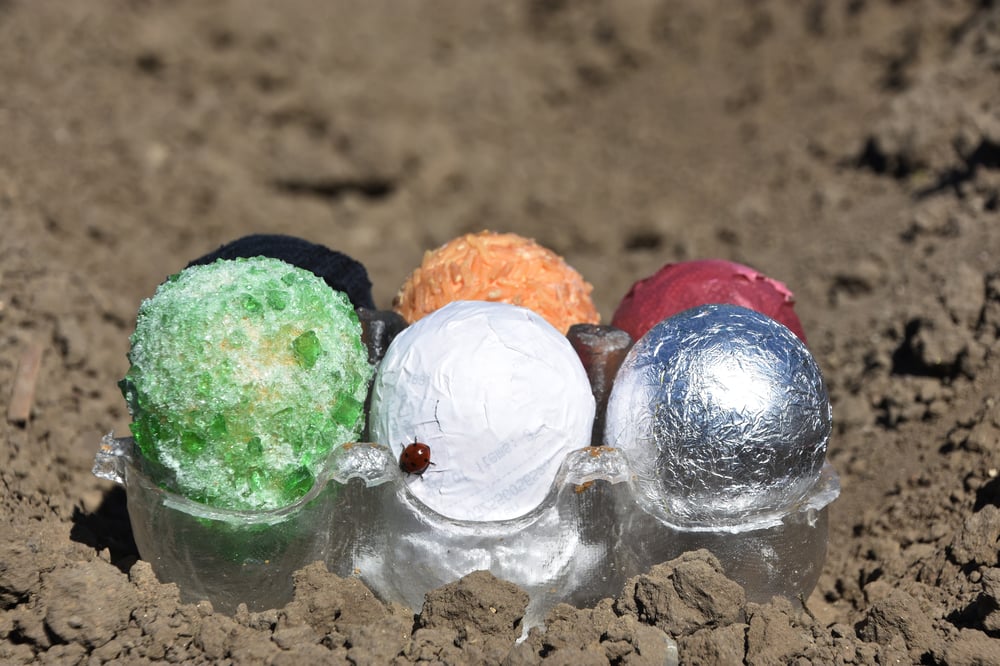
The egg carton as a contemplative sign to grasp the core of the litter problem. The increasing climate crisis forces us to see consumer goods in relation to their environmental impact. Each egg represents a valuable raw material. Does the primary culprit lie with the producer, or is that role reserved for the consumer? The egg symbolizes the interconnectedness of our food and waste chain from the very beginning.
The project explores the relationship between object and consumer. While prompting people to reflect on the complex interconnectedness between nature, materials, and the impact of human action in post-industrial society.