At-trāb
Leyla Ben Mimoun
Antwerp, Belgium
About
Leyla Ben Mimoun’s practice explores how meaning is constructed and destabilized through material, space, and time. Working across ceramics, installation, sand-based interventions and video, she reconfigures architectural structures, objects, and signs through acts of addition, erasure, fragmentation, and concealment.
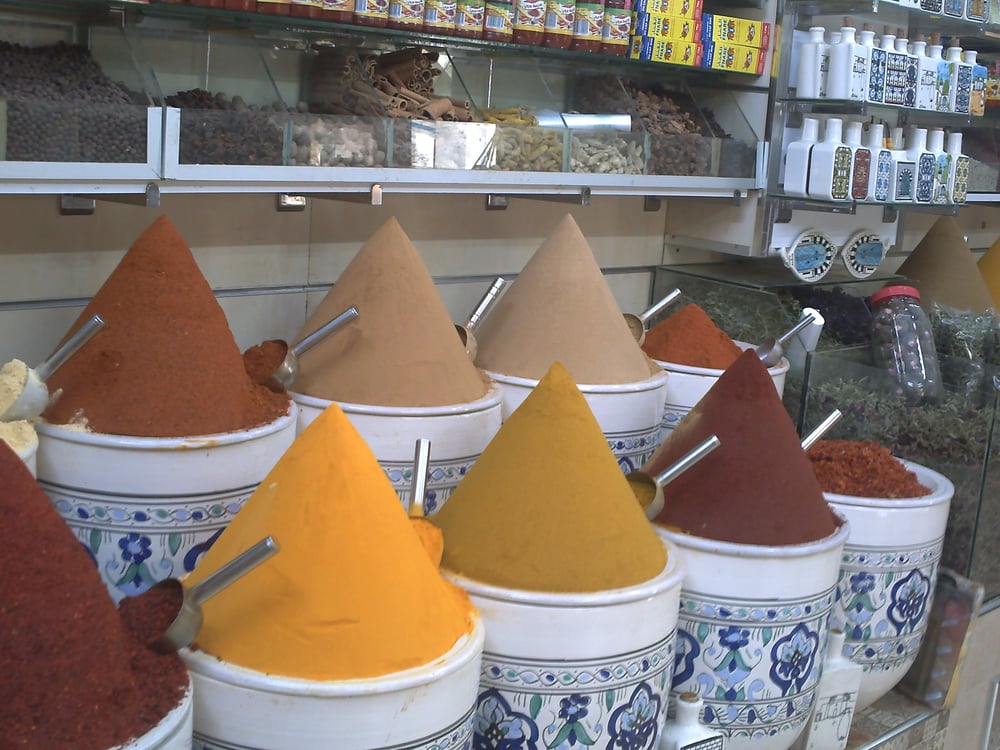
Material is central to her practice. Ben Mimoun works with substances that are both fragile and resilient, such as sand, spices, Arabic gum, glaze, reflective surfaces, and ceramic forms. In her ceramic works, repetition and surface play a key role. Glossy glazes and functional references produce objects that appear familiar, yet resist settling into stable use, creating a tension between intimacy and estrangement.
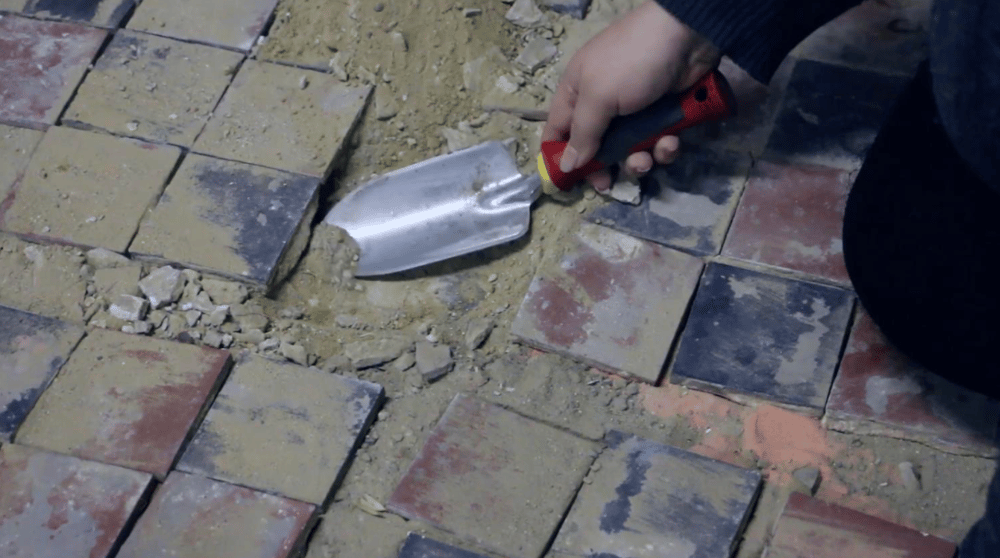
Rather than fixing meaning through representation, Ben Mimoun approaches forms as changeable. Meaning remains partial, emerging through disappearance, residue, and spatial shifts. Her spatial interventions are subtle but deliberate: floors are opened and closed, surfaces are altered, and objects are placed or concealed. These gestures introduce layers that are present but not immediately accessible, maintaining a quiet tension between visibility and concealment.
By operating at the threshold of what can be seen, touched, or known, her work directs attention toward what is overlooked. what persists beneath the surface and quietly shapes perception.
Project
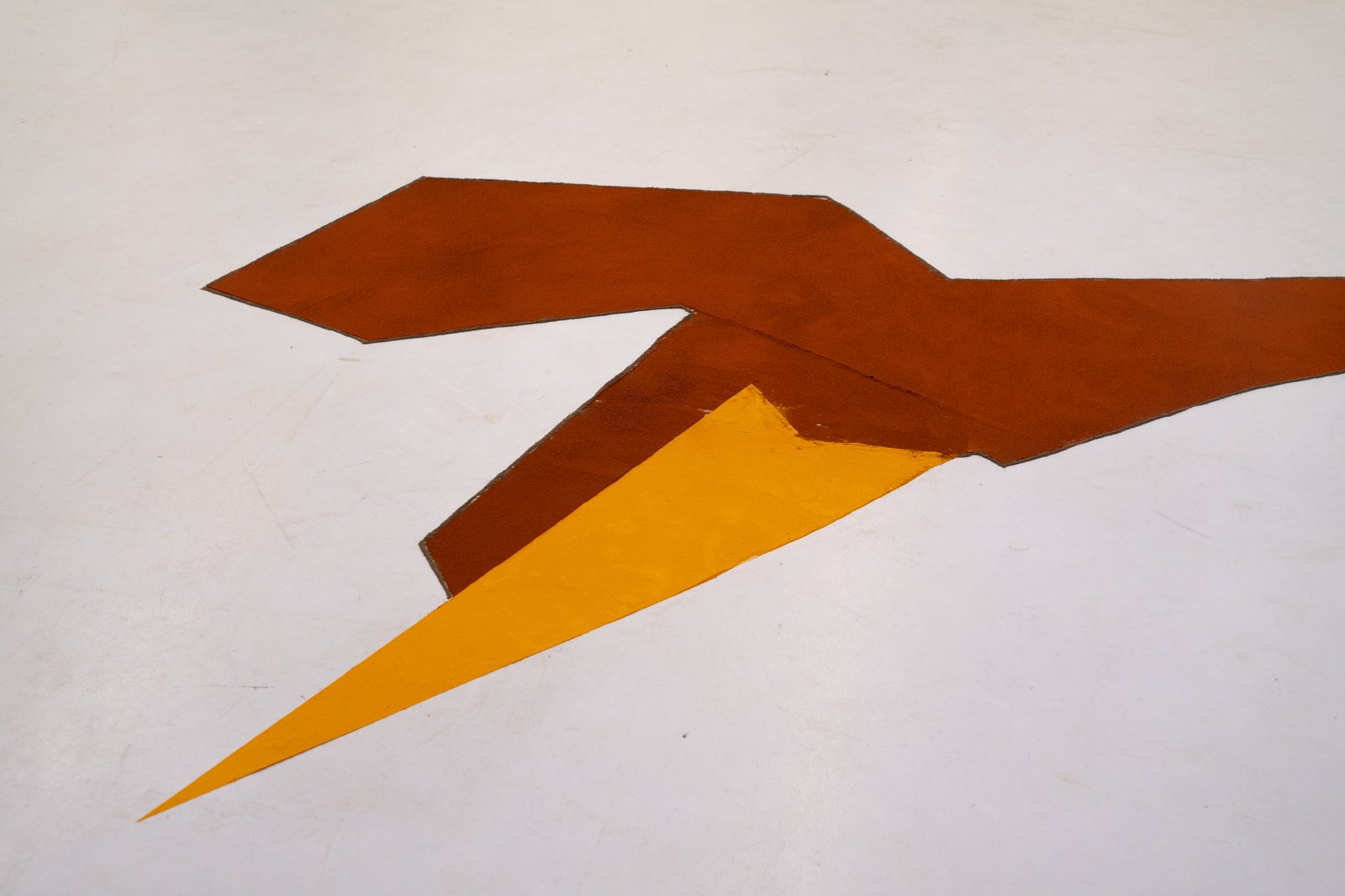
My practice explores how meaning is constructed and destabilized through material, space, and movement. In this installation, a herb symbol placed on the floor interacts with a ceramic work inspired by a tic-tac-toe like structure made of rotating cylinders. The cylinders continuously turn, preventing the symbol from ever becoming fixed or fully stable. Although the ceramic forms appear solid and permanent, they resist settling into a single position or image.
spices and sand are recurring elements within my practice. Their fragile and temporary nature contrasts with the solidity of ceramic material. The herbs placed on the floor and the scent dispersed throughout the space become part of the work itself, creating an atmosphere that shifts over time and through the presence of the viewer. These materials are also closely connected to an exploration of my Tunisian roots, where smell, texture, and routine carry forms of cultural memory and everyday presence that cannot be fully fixed or preserved.
By combining the floor intervention with the ceramic structure, the installation creates a subtle play between control and transformation, permanence and movement. The work draws attention to forms that remain in flux, resisting a final or stable state.