
Decode Zillij
Hadil Bensaid
Antwerpen, België
About
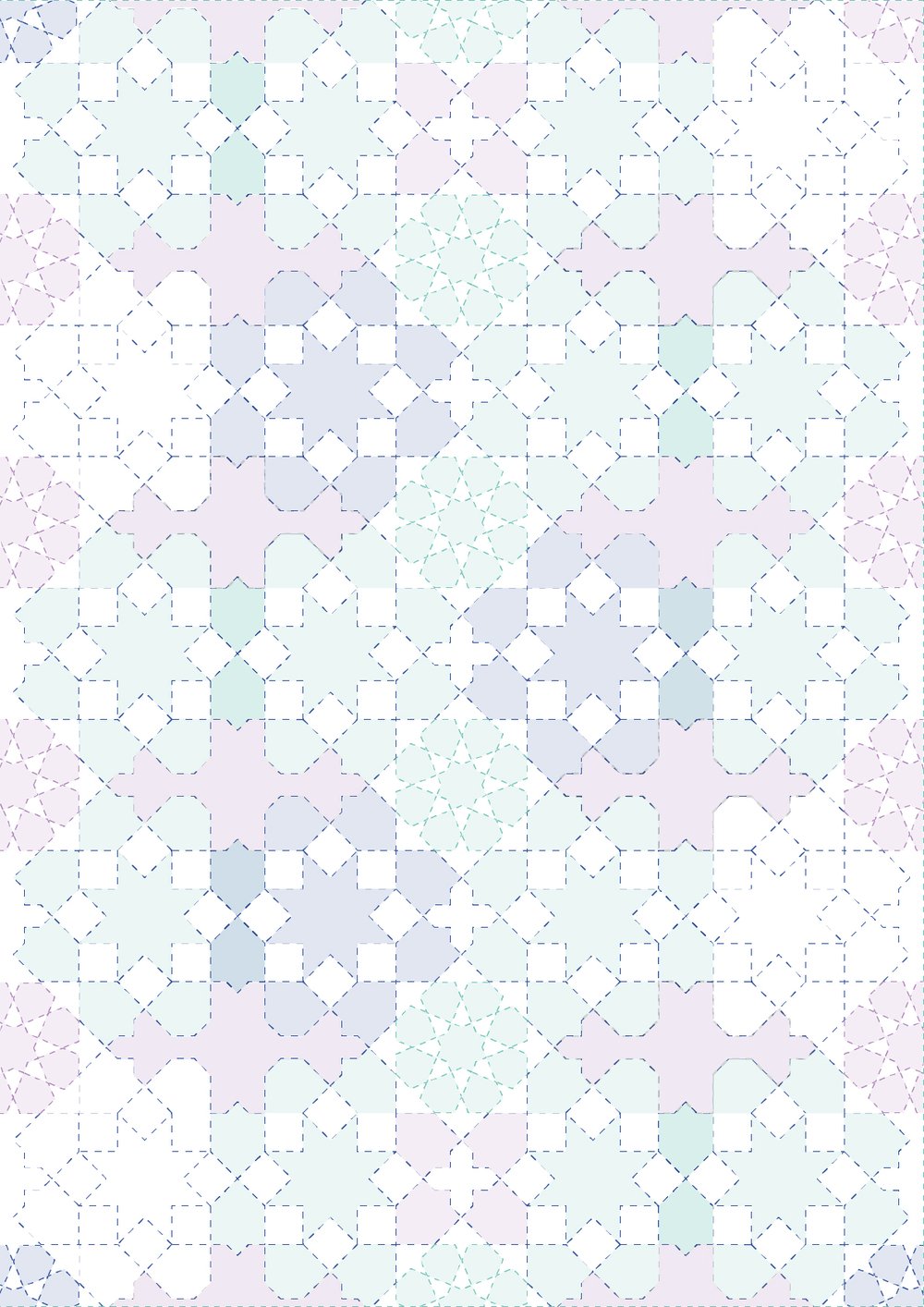
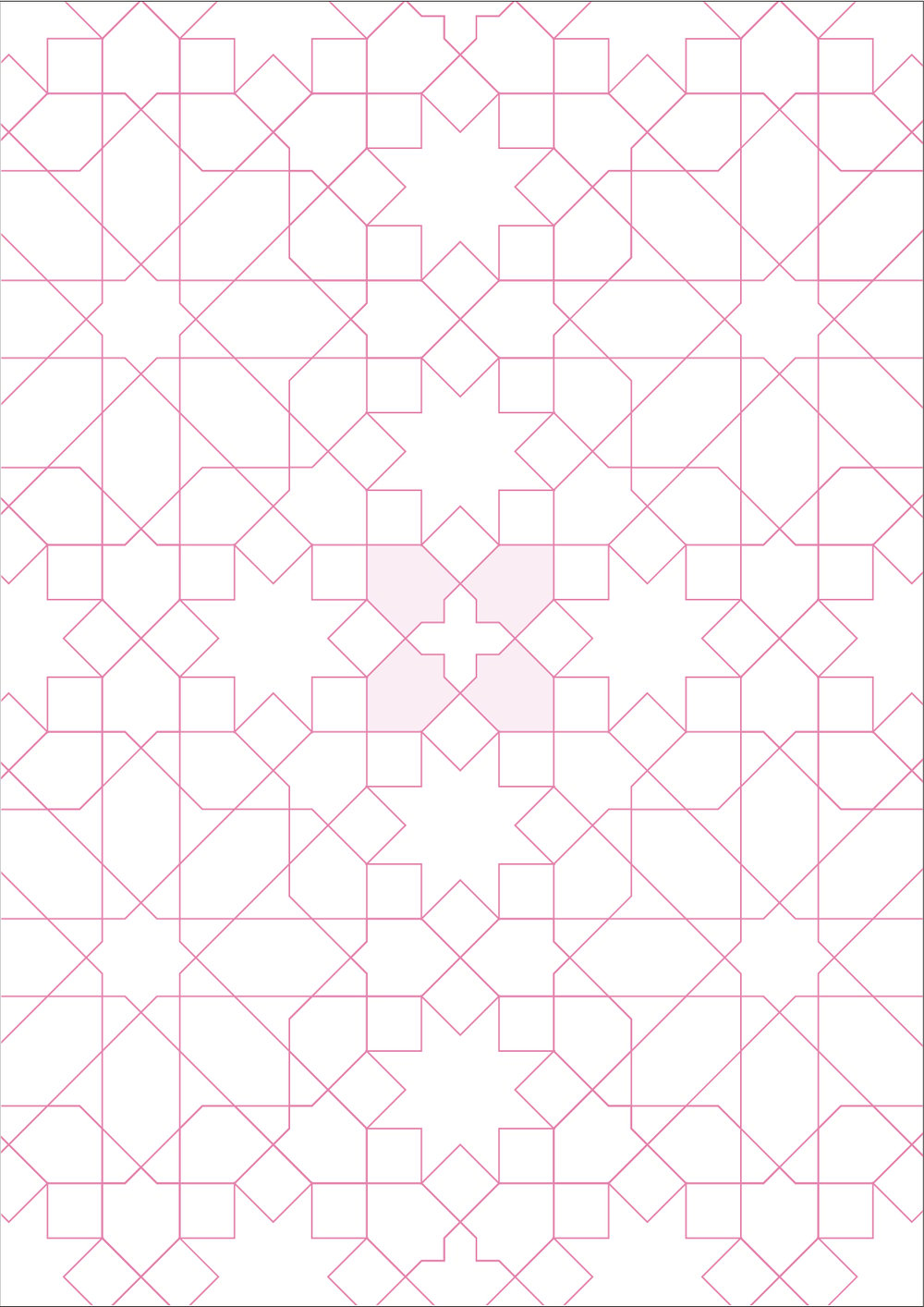
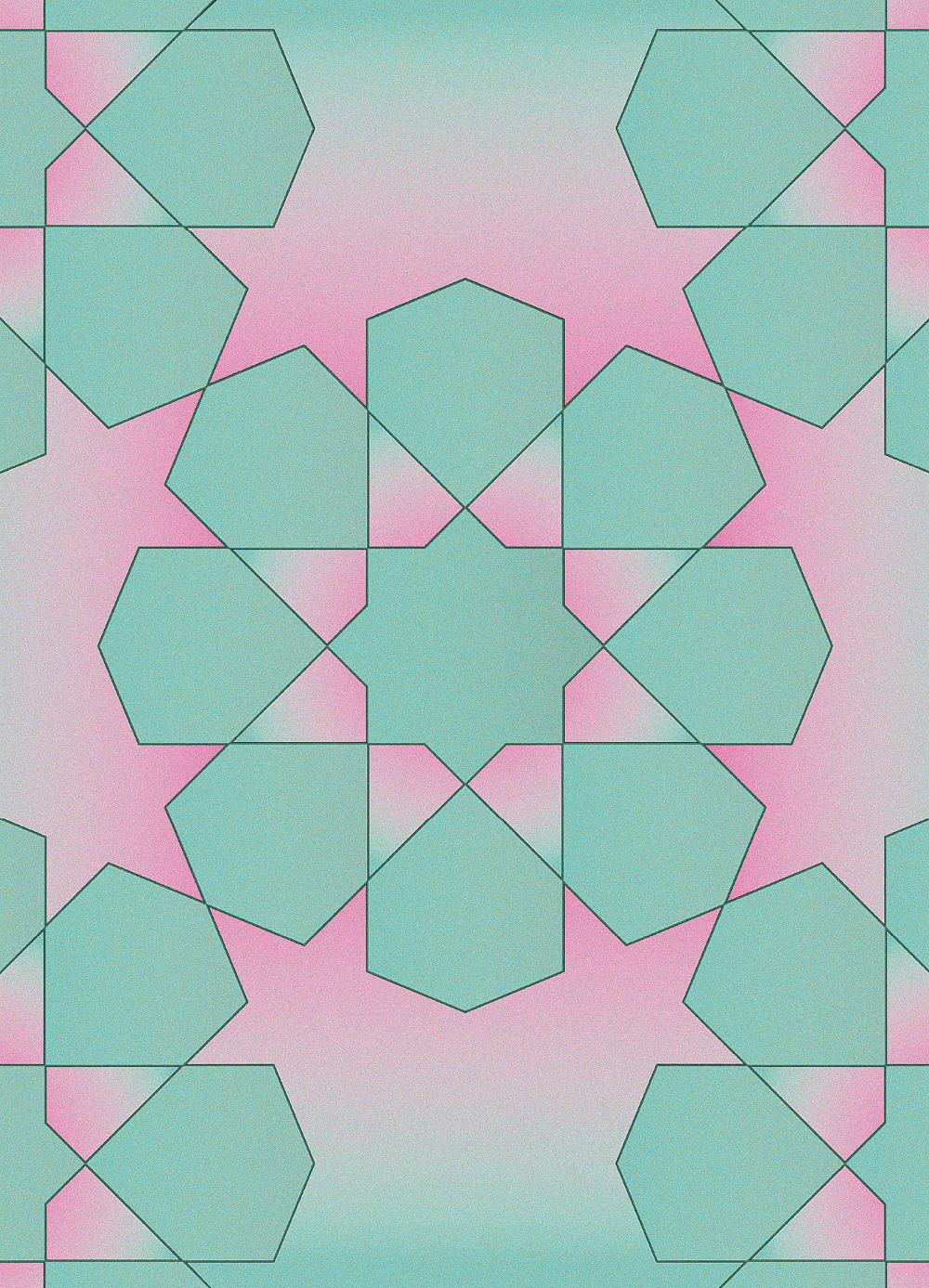
I am Hadil, a Moroccan-Belgian graphic designer. In my practice, I explore Moroccan visual language, with a specific focus on Islamic geometry within zillij. This traditional visual language serves as a starting point for developing my own contemporary design style.
My work is driven by the question: “Where does this visual language stand today?” Through digital research and design, I translate historical patterns and structures into contemporary visual systems that extend and evolve the tradition.
In my master’s project, I add an additional layer to this exploration: I investigate how this geometric visual language can be used not only artistically, but also educationally. I am interested in how Moroccan visual culture can be made more accessible to young people and young adults, so they can reconnect with cultural heritage and identity through design.
Project
Decode Zillij is a participatory and educational design project inspired by the geometric visual language of traditional Moroccan zillij mosaic art. Due to its complex geometric and mathematical structure, zillij can sometimes feel distant or difficult to approach. This project explores how this rich visual language can be unlocked in an accessible, playful, and creative way.
The goal is to move beyond simply observing zillij, allowing people to actively investigate and experience this geometric art form by working with it firsthand.
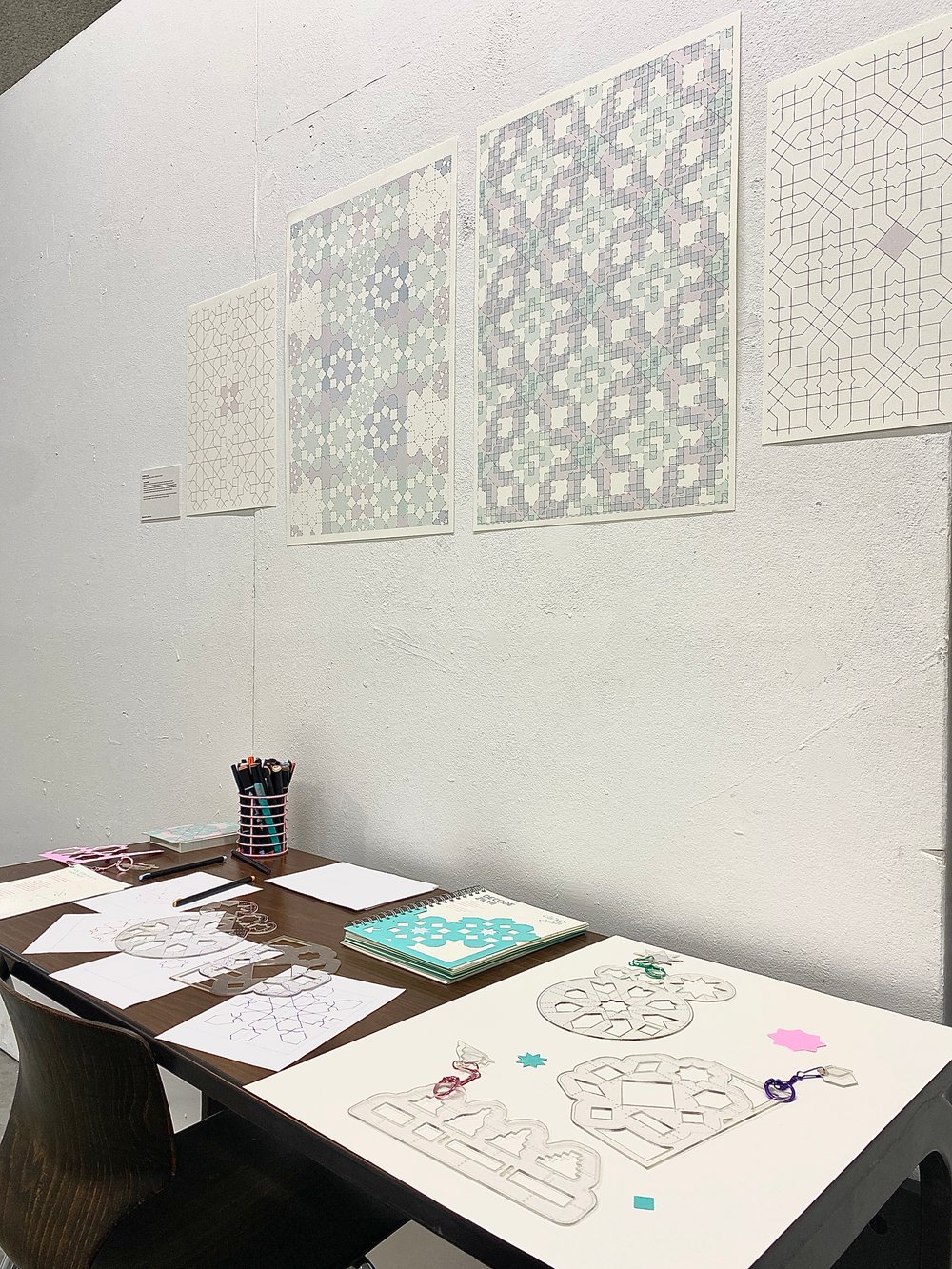
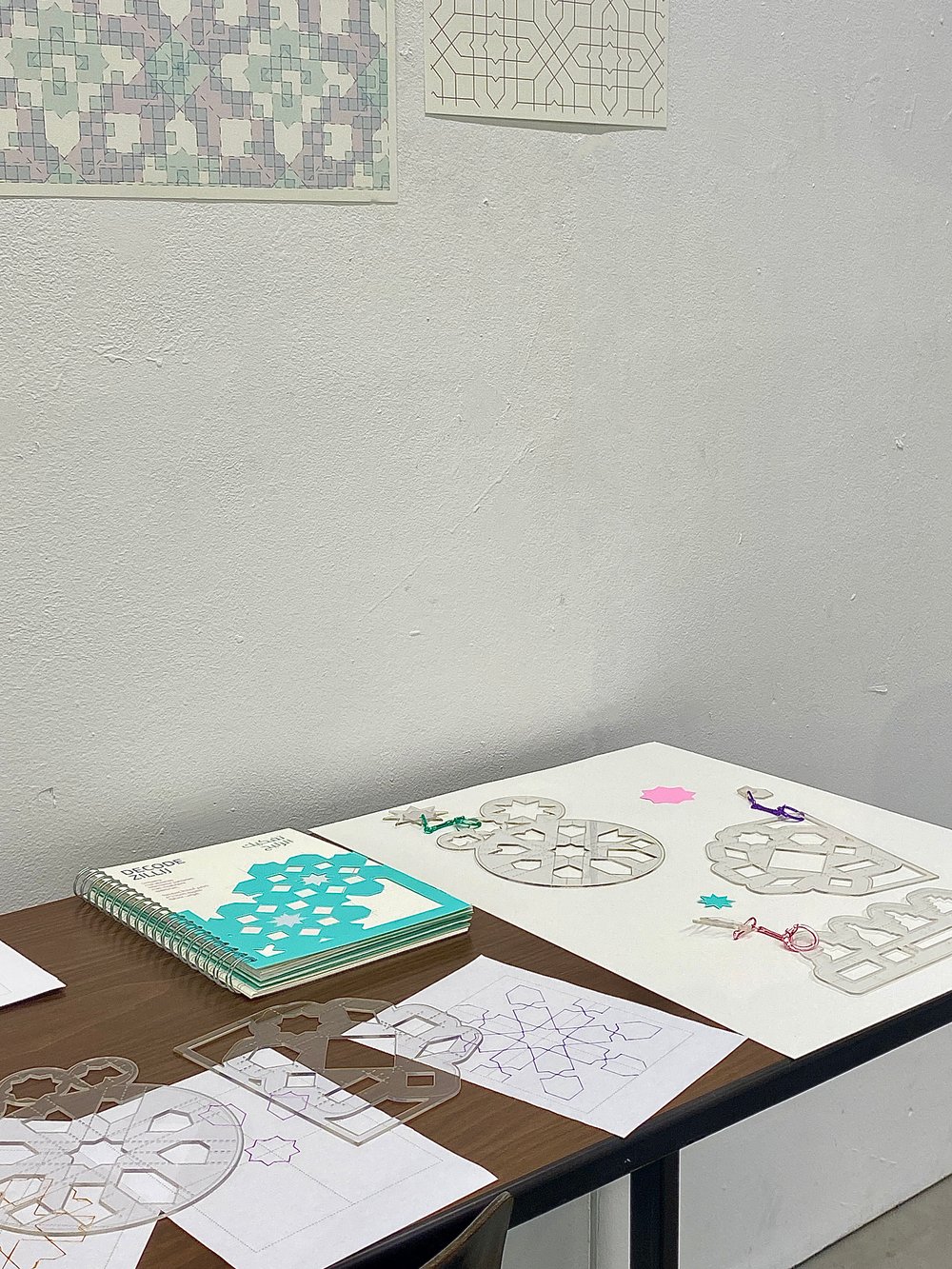
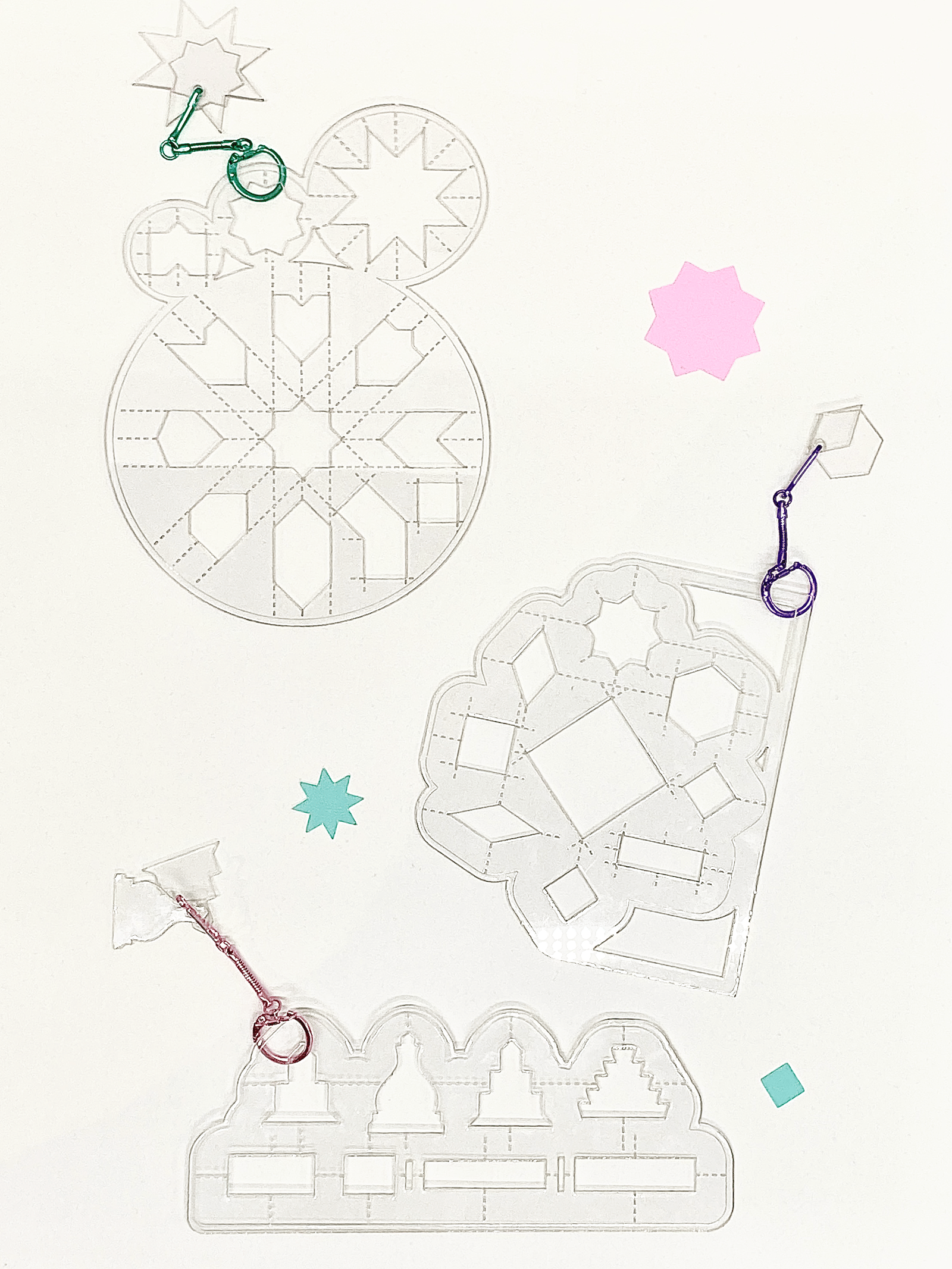
The project translates the geometric structure of zillij into a series of drawing stencils based on Moroccan Islamic geometric shapes commonly found in mosaic art. By offering stencils with individual basic shapes, users gain a better understanding of how these patterns are geometrically constructed. Through simple exercises, they learn step-by-step how a pattern comes to life. This allows them to combine and repeat the shapes endlessly, gradually building their own patterns as a result.
The drawing stencils are bundled into a booklet in which existing zillij patterns are reconstructed. This gives users profound insight into the construction of these complex geometric compositions. Building on this understanding, they are invited to experiment and develop their own designs. The booklet also contains a brief introduction to zillij and Islamic geometry, highlighting the craft as well as its historical and symbolic significance, supplemented by simple exercises and examples that encourage further experimentation.
Decode Zillij thus forms an accessible design system where learning and making coincide. By drawing, repeating, and combining, the experience shifts from passive observation to active participation.
The project aims to provide a first step toward cultural connection, creative exploration, and an intuitive and playful understanding of geometric visual language, specifically for those interested in Moroccan visual language and culture.