PARAMOFUTURISMOS
Dayana Corzo Joya
Antwerpen Belgie
About
Dayana is an illustrator and now also a film director, with more than 10 years of experience in activism against mining extractivism in Latin America. She is a feminist and human rights lawyer who experiments with art as a form of resistance from a critical perspective on care.
Project
The Páramos are ecosystems located at more than 2900 meters above sea level, known as “water factories”; they are located in the Northern Andes mountain range. Colombia is home to 50% of these ecosystems, and 80% of the Colombian population drinks water from them. Due to their geological history, the Páramos are rich in gold and other metals, and while you walk through this exhibition, the Páramos remain under constant threat from multinational corporations seeking to extract gold and deprive Colombians, Peruvians, and Ecuadorians who also call these sacred ecosystems home of their water.
Dayana, amidst the silence and the cries of her exile coincidentally in the country (Belgium) where the first multinational corporation emerged in the industrial era seeks answers to the question of why defending our territory costs us our lives and our land.
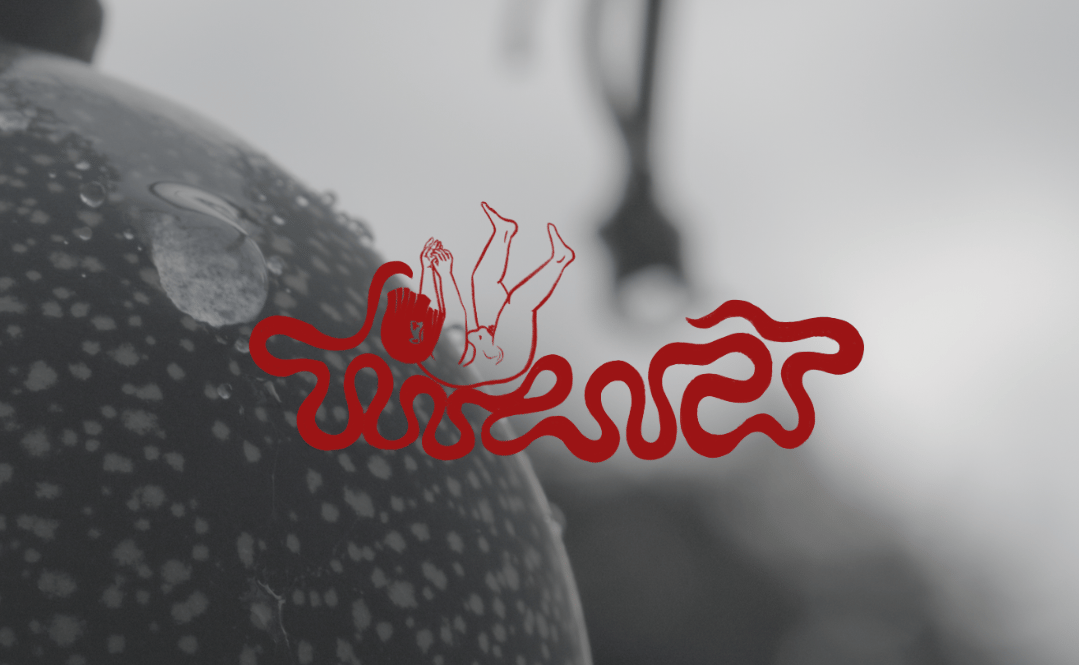
She went to the root of her history within colonial imposition, her mother tongue: Spanish, and found that the colonizers had defined the Páramo, a center of life, with a word that is synonymous with infertility, almost death. So she decided to rewrite it; therefore she designed a typography that, when used to challenge the rules of dominant languages, creates symbols that existed before colonial times.
For over 13 years as an activist defending the Páramo of Santurbán in her hometown of Bucaramanga, amidst thousands others who also fought for it, Dayana had never paused to consider the meaning of the word; just as in her work there was no time to stop and discuss other terms, such as: feminisms, care, and collectivity.
In a critique of the lack of collective care practices within environmental activism and in the exercise of the discipline of hope, proposed by Mariame Kaba, this is how Paramofuturismos emerges a multidimensional artistic proposal that joins the ranks of surfuturisms and focuses on the recovery of the word Páramo, the rewriting of our history, and the defense of the land against all forms of neo-colonial extractivism.
This exhibition consists of 4 pieces with each their own details:
✺ VIDEO INSTALLATION PARAMOFUTURISMOS
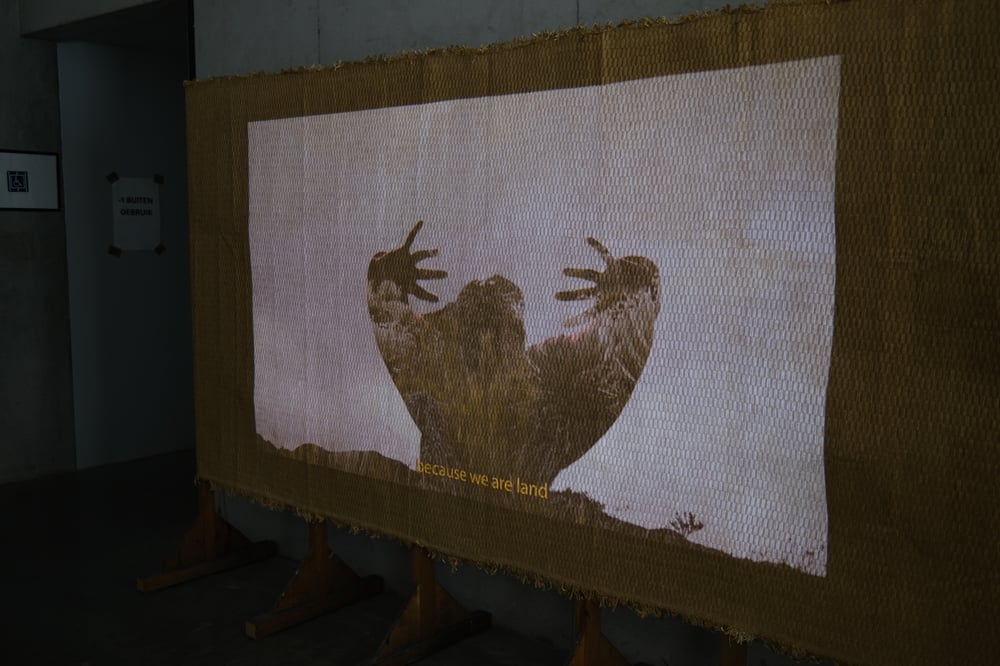
A short film directed by the artist, it is an exploration of the ecosystem and a reminder: the Páramo is infinite and it is now. The film concludes with the local names for the Páramo.
Teaser:
✺ FRAILEJONES
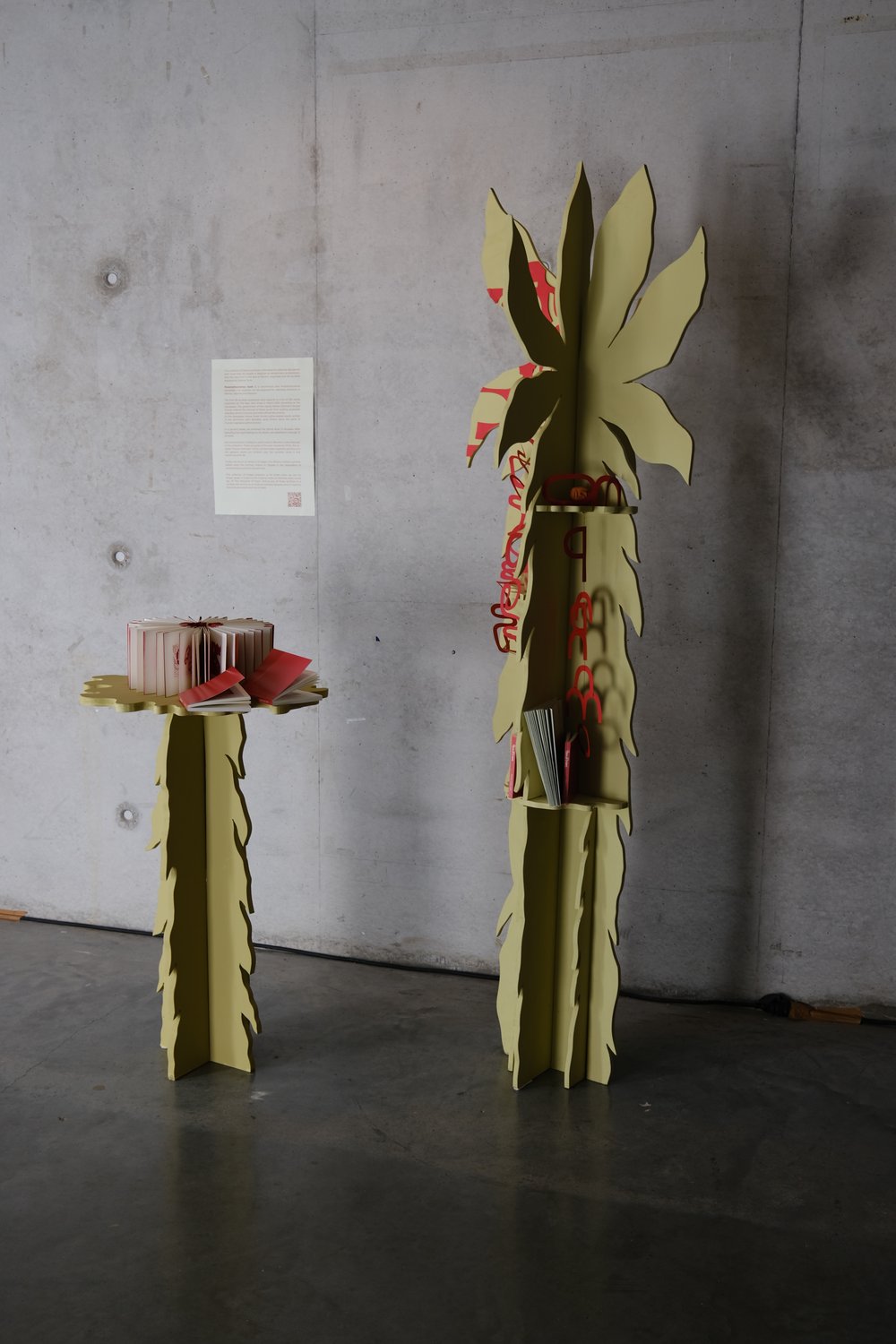
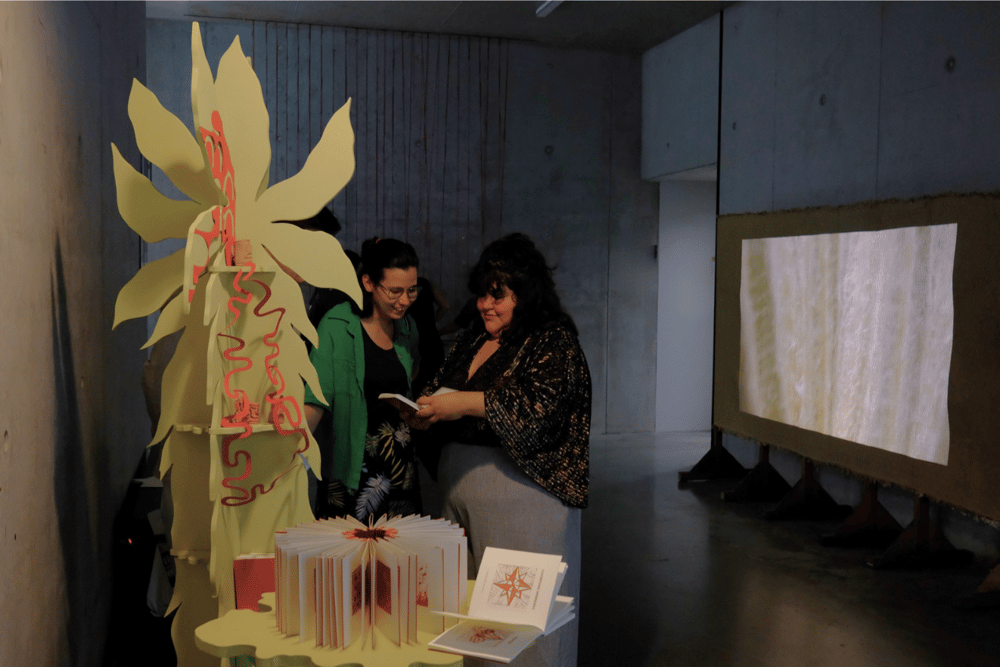
The endemic plants of the páramos, through their puffy leaves, transform horizontal rain into water that flows into rivers. For this piece, Dayana carved two wooden stands that serve as display units, honoring these plants and showcasing:
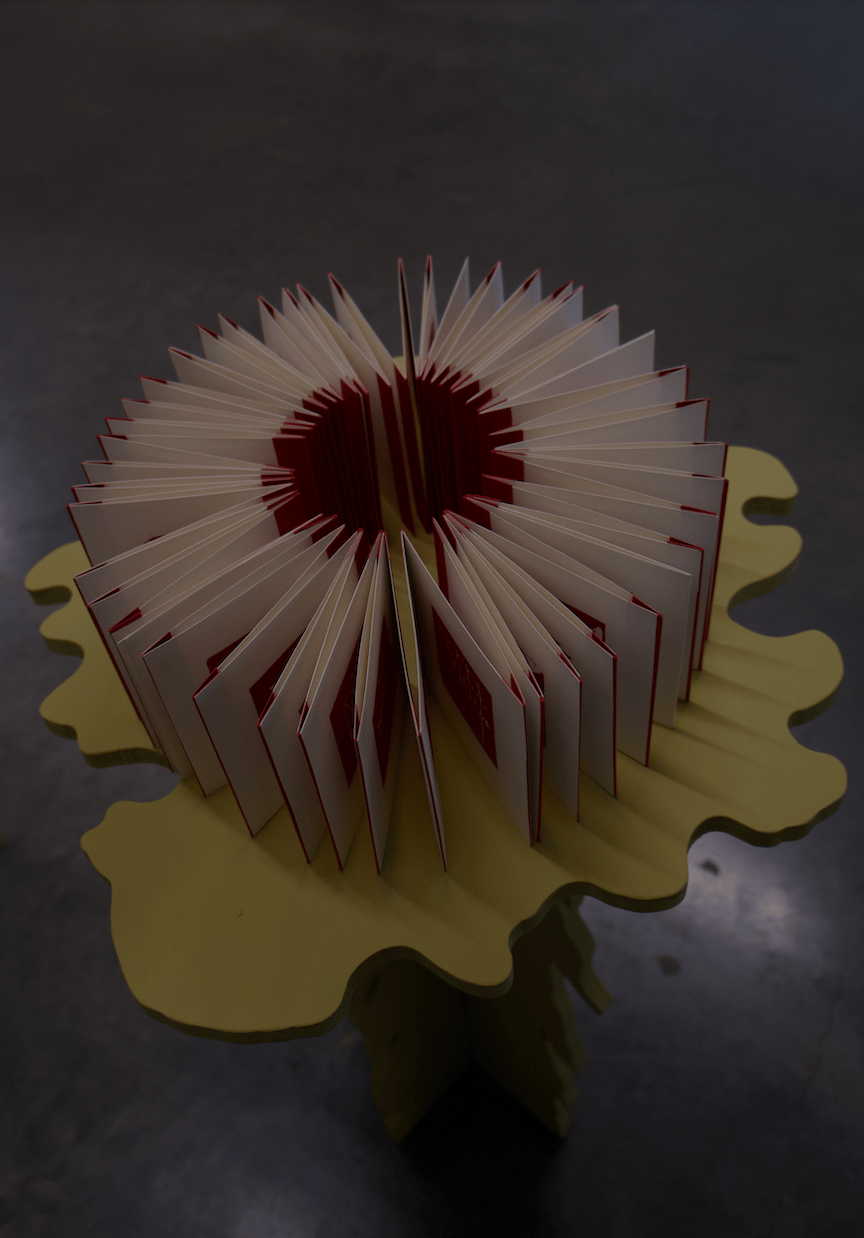
∗ Paramofuturismos book
A work created by the artist in collaboration with over 150 people who, together with her, have reflected on the weight and meaning of words in times of fascist darkness.
∗ The Paramofuturist Alphabet, a dynamic paper installation inviting interaction by creating new symbols and sculptures based on words that signify life.
✺ PÁRAMORÍOS
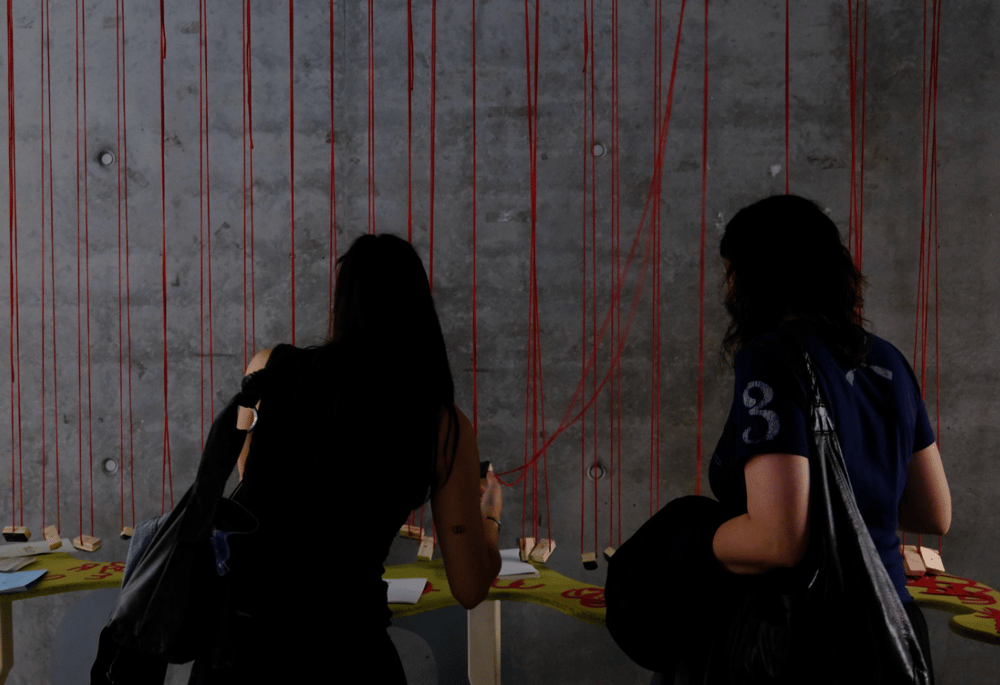
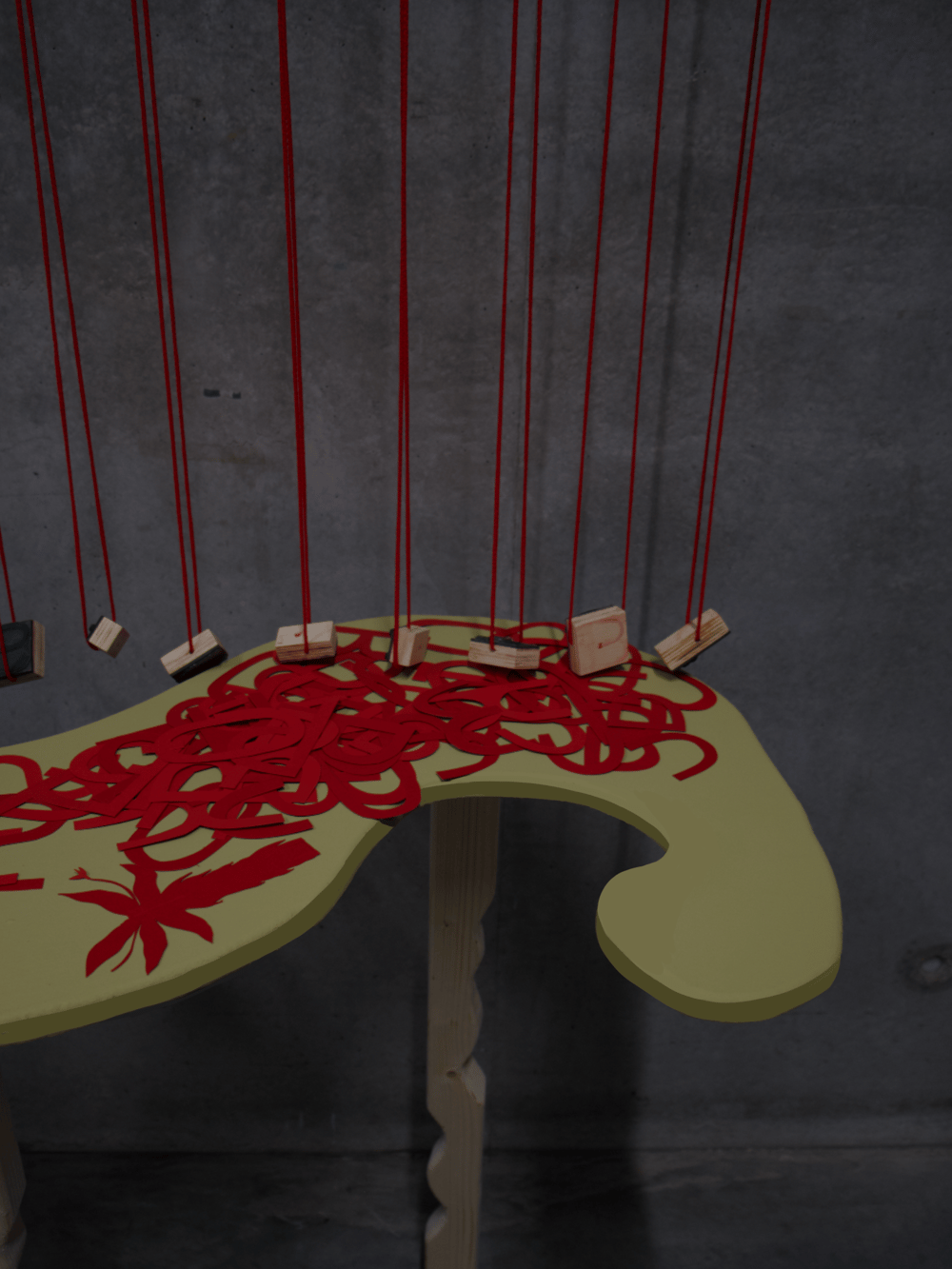
Some rivers , a river, represented on the table with the stamps of the proposed alphabet, becomes a space for interaction with exhibition visitors, where they can immerse themselves in the task of creating symbols for life. At the end of the threads lies the symbol that corresponds to the word Paramoríos.
✺ PARAMOFUTURISMOS poem:
They named them The lands
They called them as they pleased The lands
And they saw them as flat and uncovered.
And they saw them as uninhabited.
And they saw them as deserts.
But we are living desert with living lands, we are deserts in other forms, we are deserts. And we cover what we need to cover and in us inhabit those who need to inhabit us and we are deserts, inhabited and moistened and we are deserts because we are land and we are also mountain and we are siblings, we are sibling soils. We are almost snow, we are air, we are infinite, infinite air that kisses other lands.
Because we are winds and waters and droughts and deserts and we are inhabited rocks, we are worms that crawl, we are birds that flutter, we are bears that caress one another, we are living land.
And they called us deserts
And they called us drizzles
And they called us plains
And they called us useless
And they called us lowly
And they called us barren
But we are highnesses, we kiss the heavens, we are deserts lubricated to the very bone, we are soils brimming with fertile water, we are plains and impenetrable peaks and we are slippery soils and we are pores and we are broken and we are cracks and we slide and we are life and we breath and we breath and we are heights and we are highnesses and we are living lands that breath.
Dayana, amidst the silence and the cries of her exile coincidentally in the country (Belgium) where the first multinational corporation emerged in the industrial era seeks answers to the question of why defending our territory costs us our lives and our land.
She went to the root of her history within colonial imposition, her mother tongue: Spanish, and found that the colonizers had defined the Páramo, a center of life, with a word that is synonymous with infertility, almost death. So she decided to rewrite it; therefore she designed a typography that, when used to challenge the rules of dominant languages, creates symbols that existed before colonial times.
For over 13 years as an activist defending the Páramo of Santurbán in her hometown of Bucaramanga, amidst thousands others who also fought for it, Dayana had never paused to consider the meaning of the word; just as in her work there was no time to stop and discuss other terms, such as: feminisms, care, and collectivity.
In a critique of the lack of collective care practices within environmental activism and in the exercise of the discipline of hope, proposed by Mariame Kaba, this is how Paramofuturismos emerges a multidimensional artistic proposal that joins the ranks of surfuturisms and focuses on the recovery of the word Páramo, the rewriting of our history, and the defense of the land against all forms of neo-colonial extractivism.
This exhibition consists of 4 pieces with each their own details:
✺ VIDEO INSTALLATION PARAMOFUTURISMOS
A short film directed by the artist, it is an exploration of the ecosystem and a reminder: the Páramo is infinite and it is now. The film concludes with the local names for the Páramo.
Teaser:
✺ FRAILEJONES
The endemic plants of the páramos, through their puffy leaves, transform horizontal rain into water that flows into rivers. For this piece, Dayana carved two wooden stands that serve as display units, honoring these plants and showcasing:
∗ Paramofuturismos book
A work created by the artist in collaboration with over 150 people who, together with her, have reflected on the weight and meaning of words in times of fascist darkness.
∗ The Paramofuturist Alphabet, a dynamic paper installation inviting interaction by creating new symbols and sculptures based on words that signify life.
✺ PÁRAMORÍOS
Some rivers , a river, represented on the table with the stamps of the proposed alphabet, becomes a space for interaction with exhibition visitors, where they can immerse themselves in the task of creating symbols for life. At the end of the threads lies the symbol that corresponds to the word Paramoríos.
✺ PARAMOFUTURISMOS poem:
They named them The lands
They called them as they pleased The lands
And they saw them as flat and uncovered.
And they saw them as uninhabited.
And they saw them as deserts.
But we are living desert with living lands, we are deserts in other forms, we are deserts. And we cover what we need to cover and in us inhabit those who need to inhabit us and we are deserts, inhabited and moistened and we are deserts because we are land and we are also mountain and we are siblings, we are sibling soils. We are almost snow, we are air, we are infinite, infinite air that kisses other lands.
Because we are winds and waters and droughts and deserts and we are inhabited rocks, we are worms that crawl, we are birds that flutter, we are bears that caress one another, we are living land.
And they called us deserts
And they called us drizzles
And they called us plains
And they called us useless
And they called us lowly
And they called us barren
But we are highnesses, we kiss the heavens, we are deserts lubricated to the very bone, we are soils brimming with fertile water, we are plains and impenetrable peaks and we are slippery soils and we are pores and we are broken and we are cracks and we slide and we are life and we breath and we breath and we are heights and we are highnesses and we are living lands that breath.