Tracing Shapes: Japanese Kamon and Their Echoes in Western Design
Isa Hendriks
Project
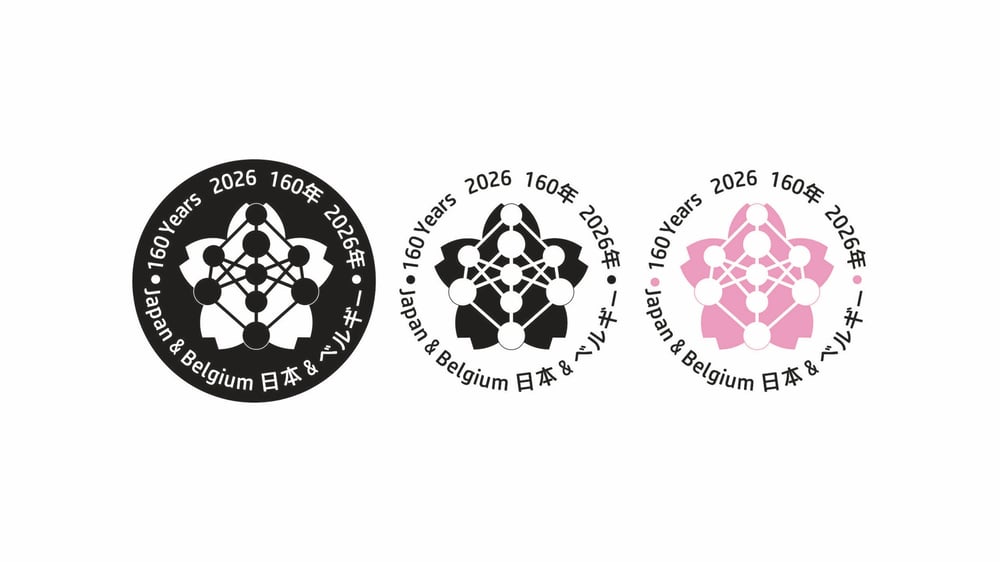
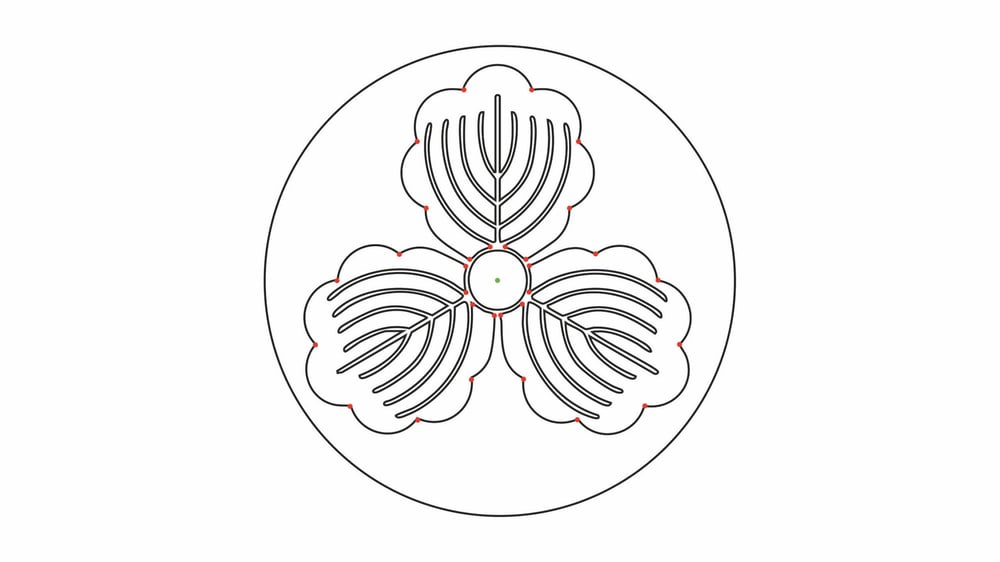
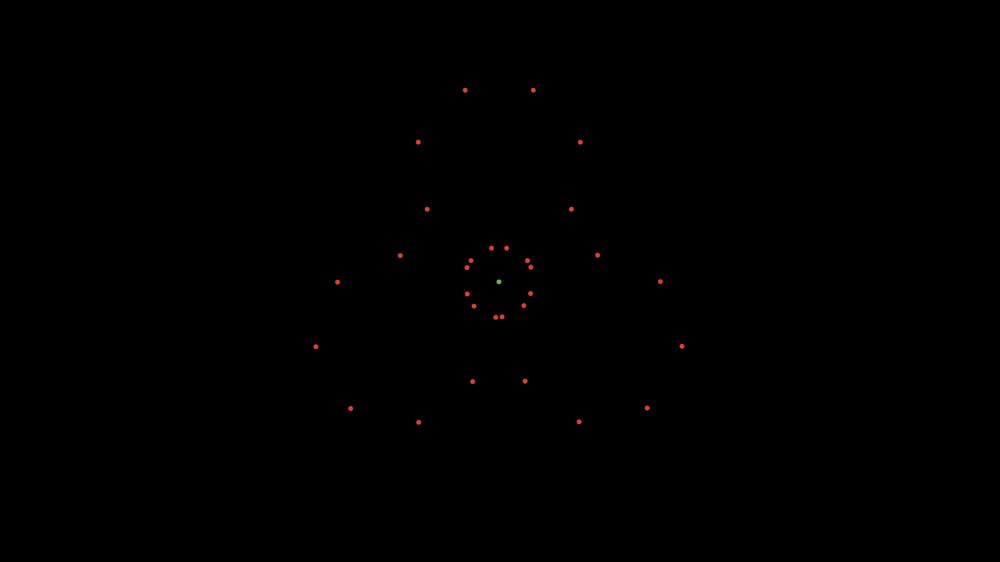
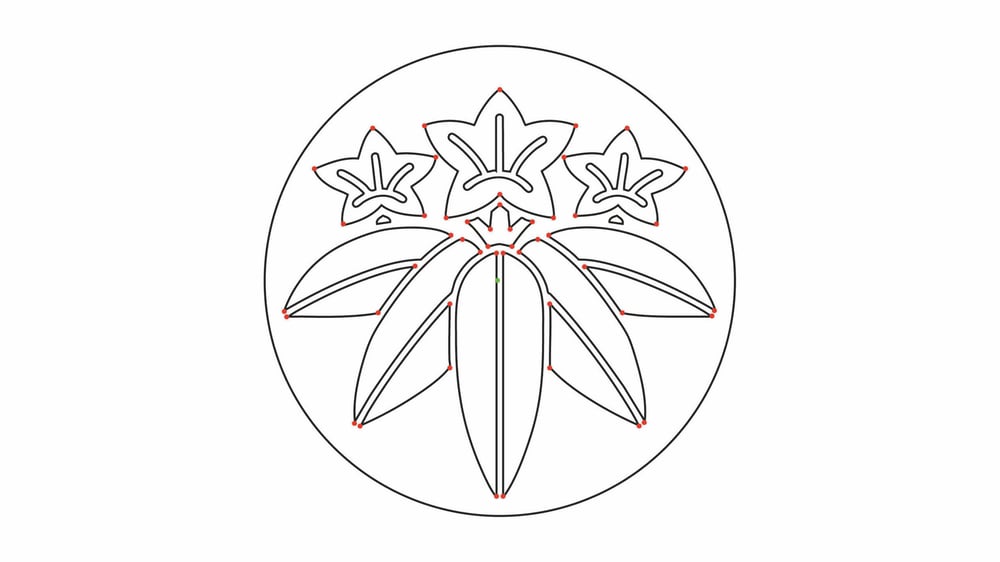
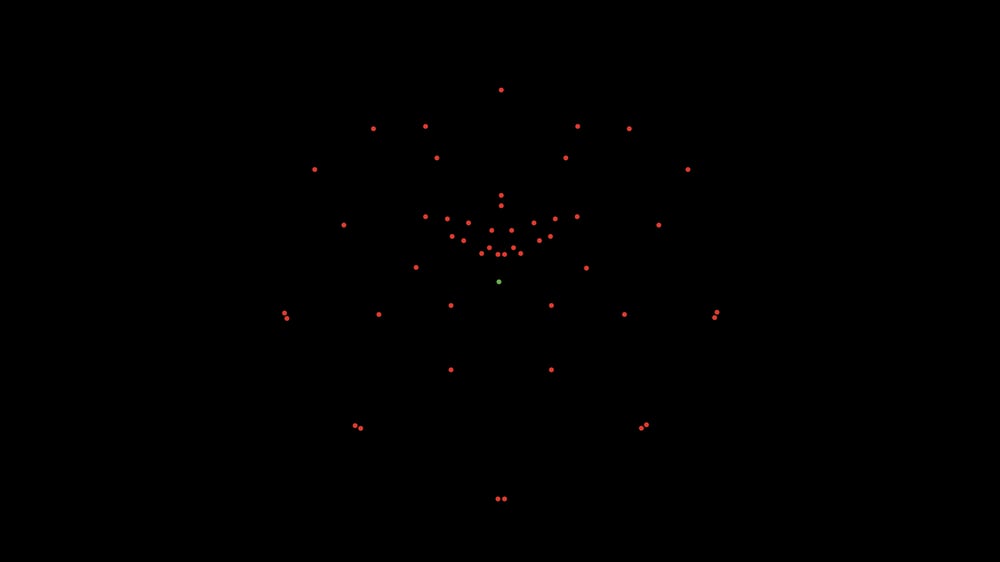
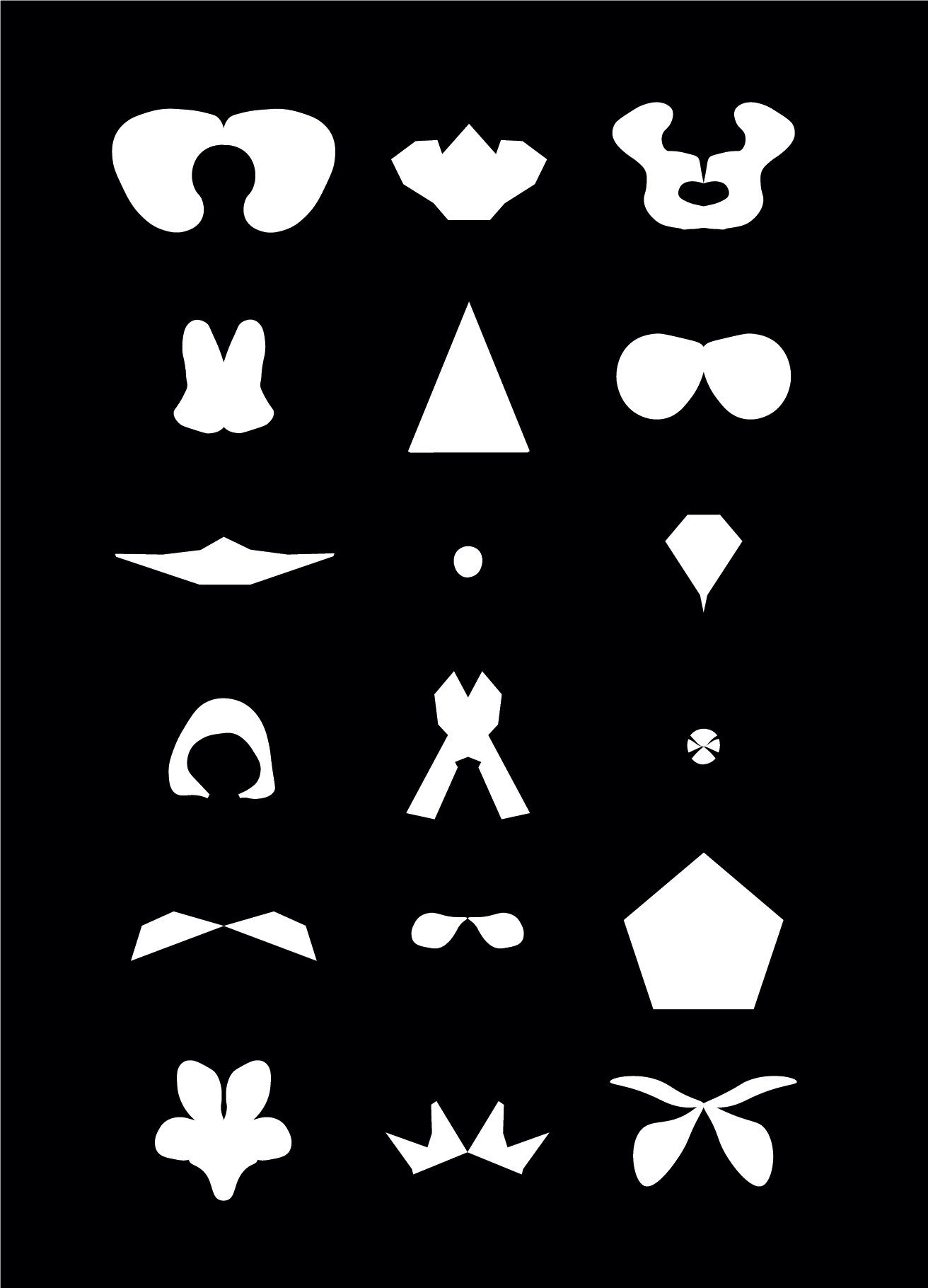
I investigate how Japanese Kamon can inspire contemporary logo designs, with a focus on geometry and symbolism. Through a dot-grid pattern, I develop new forms based on Kamon. I compare these visually with the work of Paul Ibou to analyze cultural intersections. The result is a book that brings together design, history and culture. My master's project starts from the question of how Japanese Kamon can form a visual and conceptual turning point in the development of Western logo designs. Rather than searching for a direct influence of Japanese on Western logos, I delved into the origins of Japanese visual symbolism. Kamon, traditional Japanese family crests, proved to be a rich source of inspiration and gave my research a clear direction. Through their abstract forms and geometric structure, I worked with a dot-grid pattern, with which I developed new forms that serve as the basis for contemporary logos. A second line in my research was a visual comparison between Kamon and the work of Belgian graphic designer Paul Ibou, in which I discovered striking formal similarities. These comparisons, based on personal interpretation, helped me deepen my original research question further. My research process was supported by a digital logbook in Notion, in which I collected my thinking process, visual findings and reflections. Additionally, during my internship and through participation in a logo competition by the Japanese embassy, I had the opportunity to apply my insights concretely. There I combined Belgian and Japanese symbolism into a new logo. The end result of my project is a book that brings together my three research lines and shows how cultural traditions can lead to innovative graphic designs.