De (in)significante schaduw van wat was
Frauke van Lierop
Project
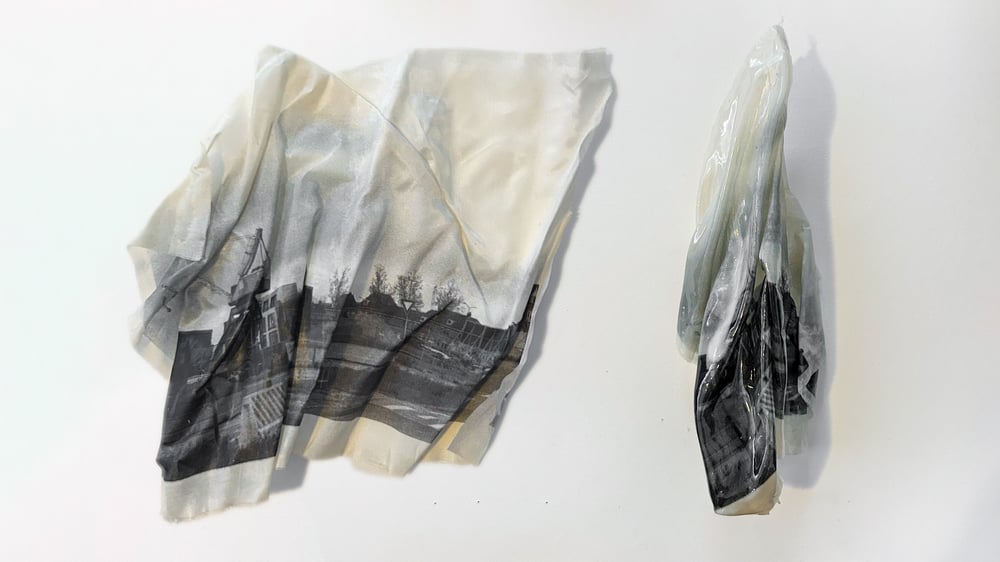
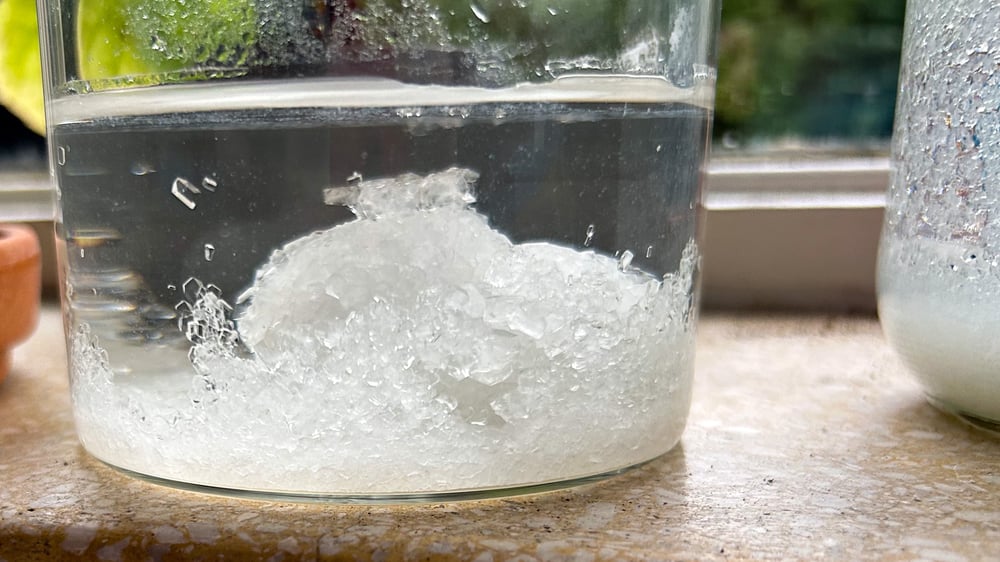
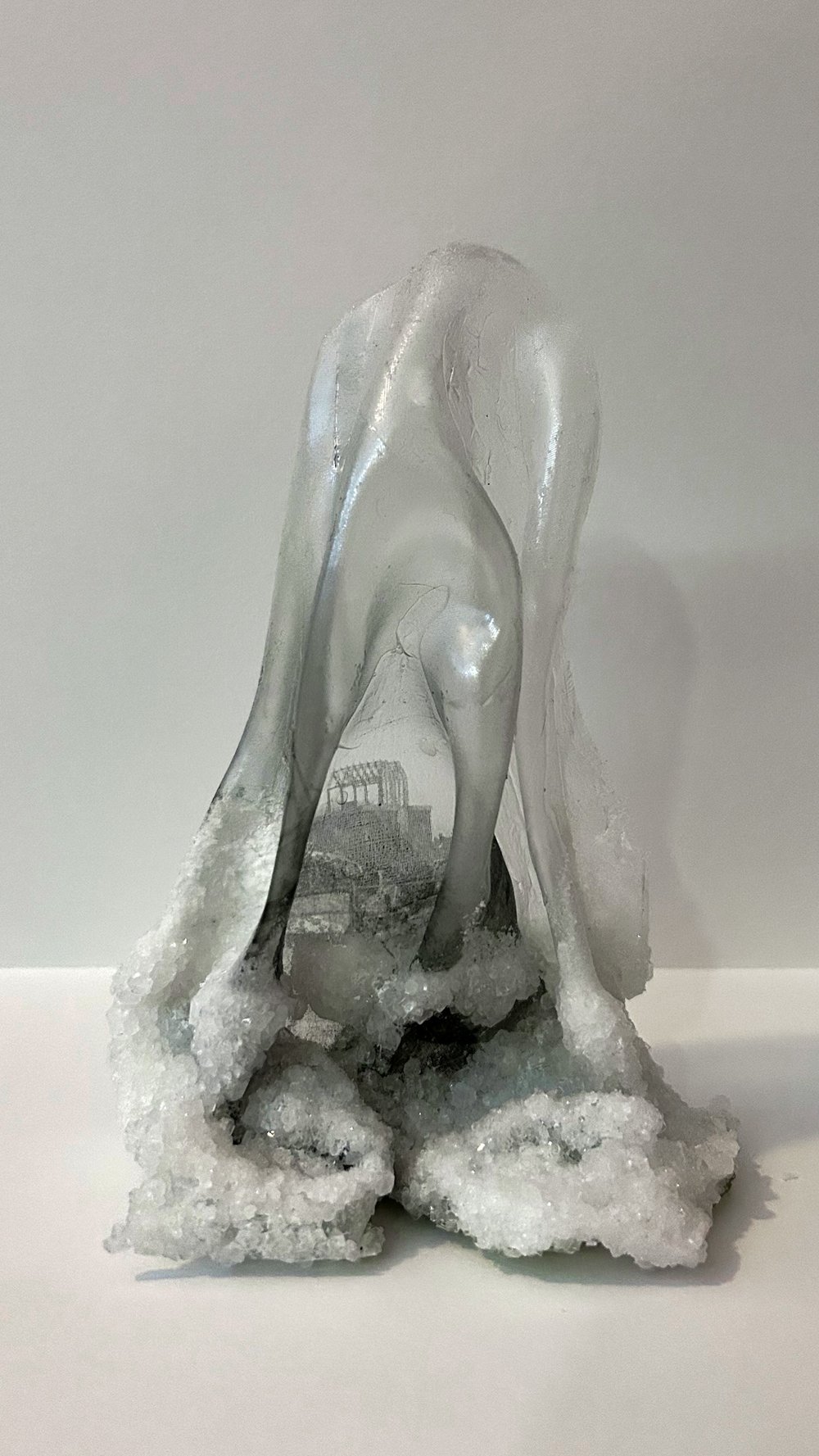
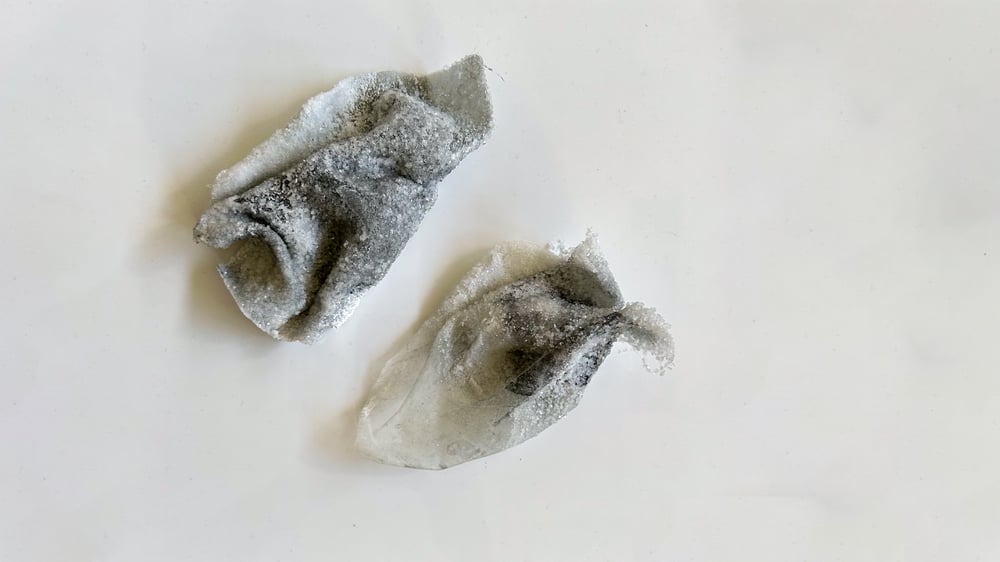
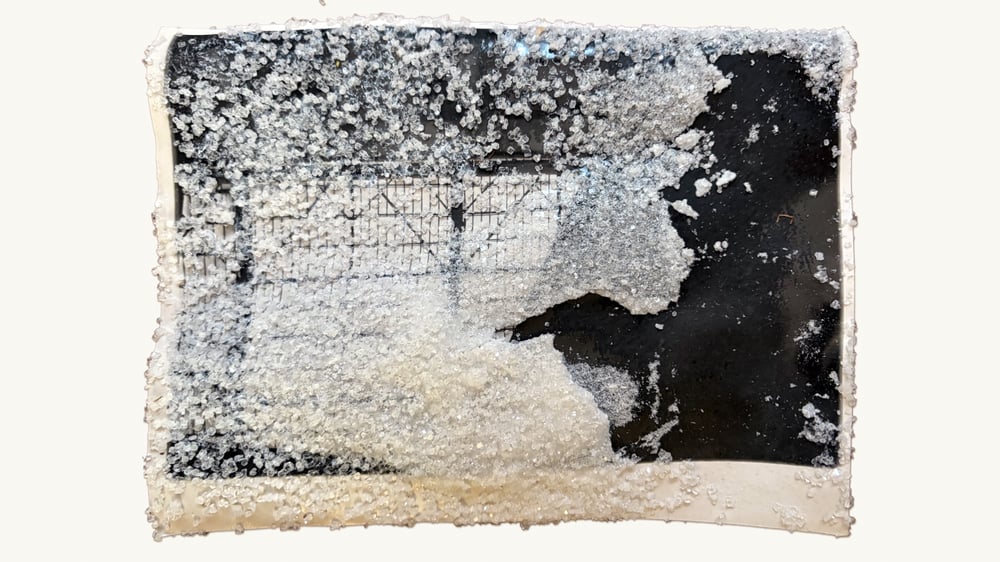
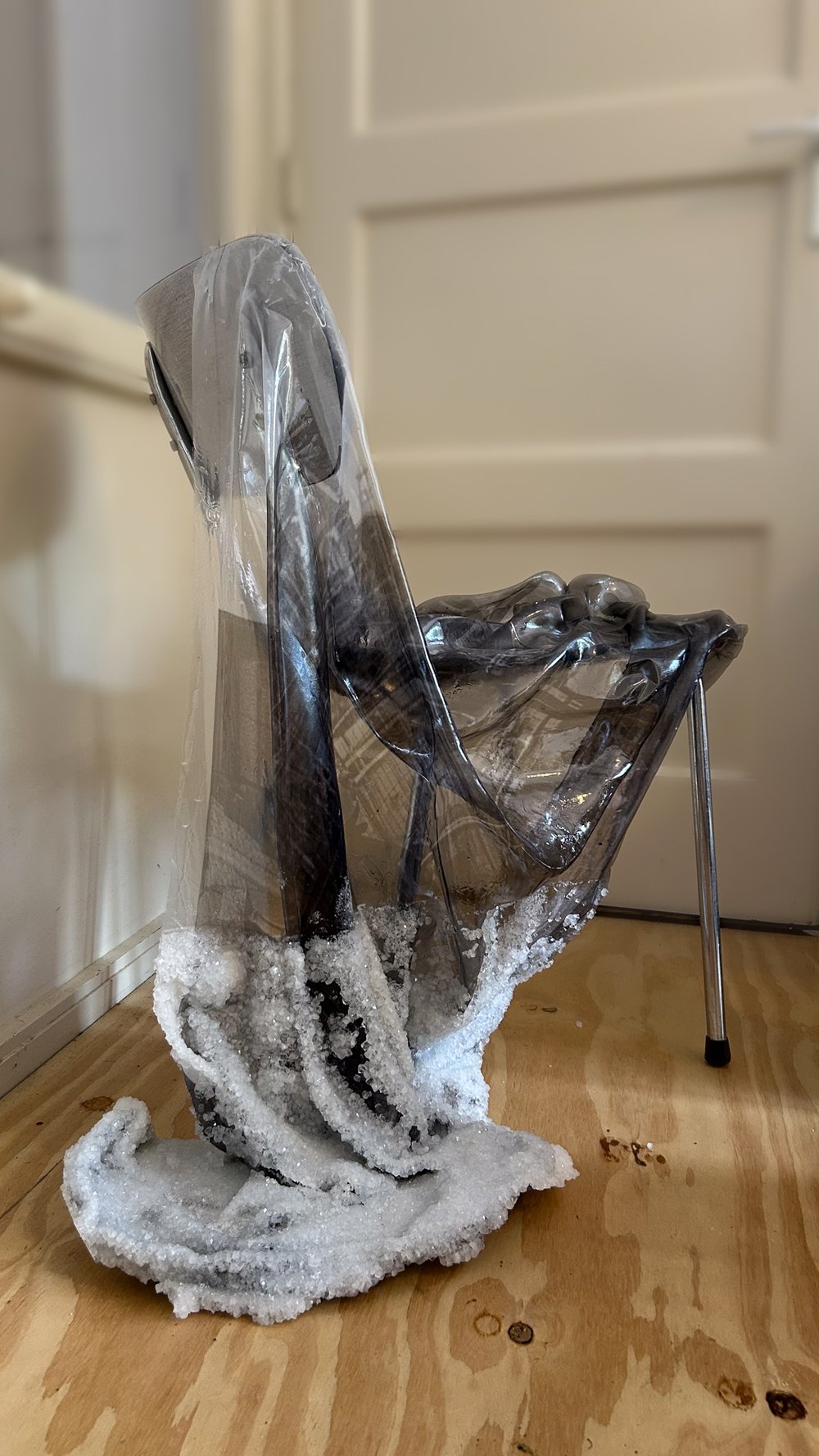
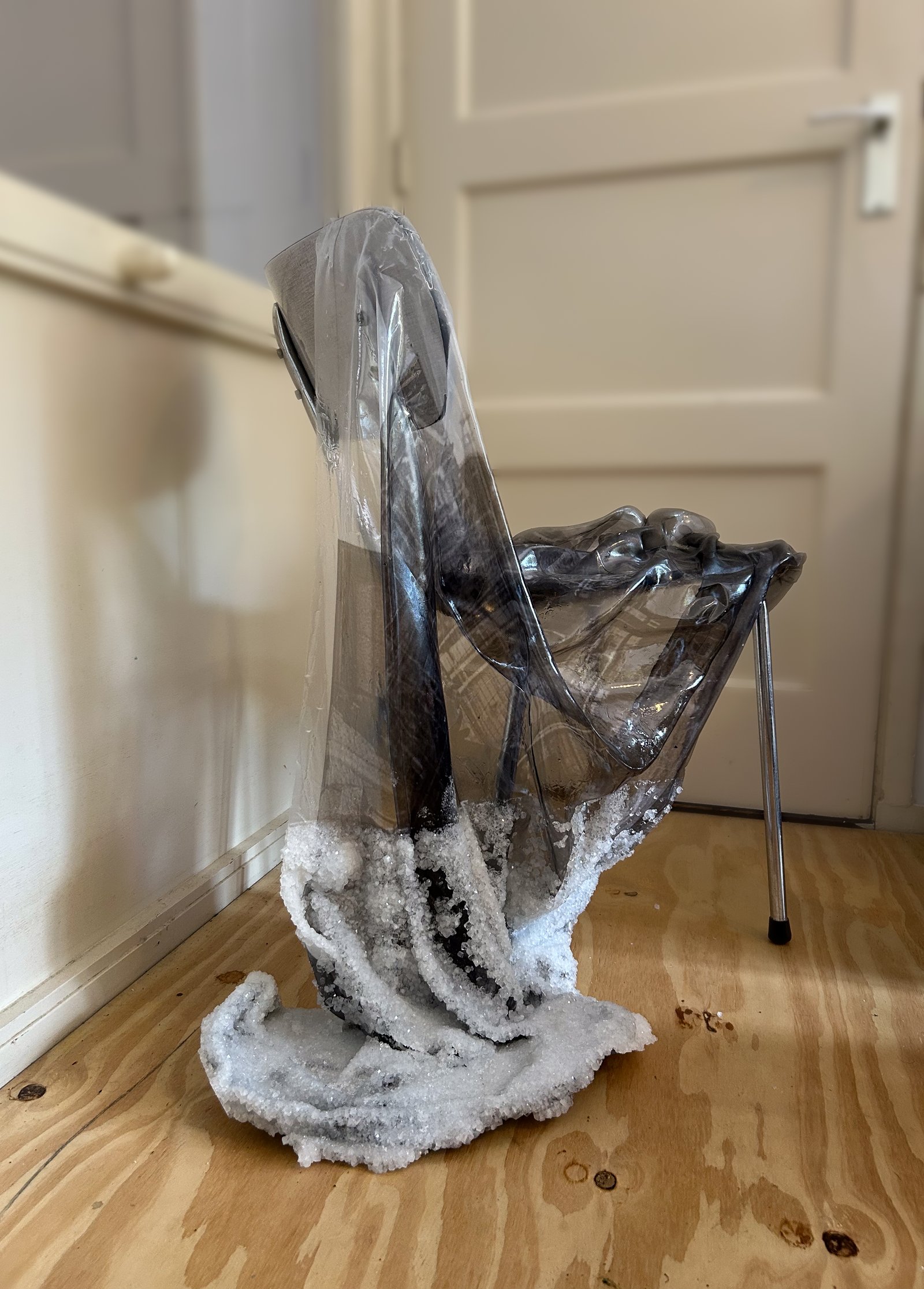
Is a photograph a memory? I investigate how this can take on a physical form. Depicted are construction sites; here a strong past-present-future feeling is present. The photographs are crystallized to immortalize the 'memory'. At the same time, they are thus, partially, concealed, raising the question of what is more important: the memory or the photograph of it? In the research of Frauke van Lierop, the statement 'a photograph is a memory' is central. When looking at theories of photography, such as those of Roland Barthes, Susan Sontag and Vilém Flusser, a photograph is not a memory. Yet van Lierop believes that the photograph and memories are closely related to each other. Perhaps our concept of a memory has changed since the emergence of photography, especially since the digital age in which we continuously carry a camera in our pocket. Where in the early days of photography you might have had a single portrait made once, the medium is now a fleeting consumption product. Just like clothing, which was once something special and something you cherished. Now it sometimes ends up in a landfill after being worn twice. Visually, the statement 'a photograph is a memory' is expressed in a series of sculptural works. The sculptures are made with photographs printed on organza (fabric). Depicted in the photographs are construction sites because these have a clear past-present-future feeling; a characteristic that both Barthes and Sontag attribute to photography. The photographs of construction sites are then, like clothes in a house, draped and hardened by means of epoxy. The photographs are crystallized to immortalize the 'memory'. At the same time, they are thus, partially, concealed, raising the question of what is more important: the memory or the photograph of it?